3D printing technology continues to prove its critical role in advancing medical care. One compelling example comes from the Bristol 3D Medical Centre in the UK, where 3D imaging and 3D printing converge under one roof to produce custom medical prosthetics and models for surgical planning.
The Story of Dave Richards
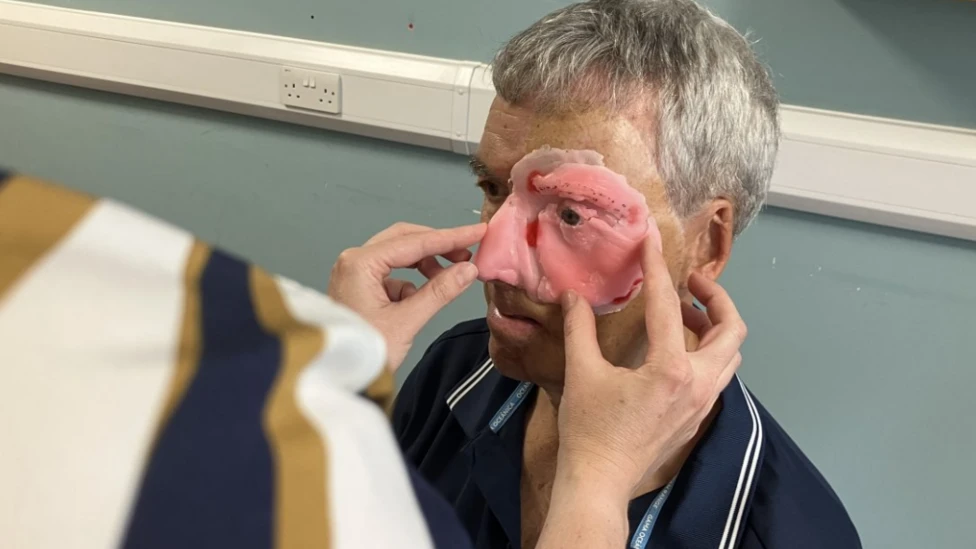
Dave Richards, a cyclist, sustained devastating injuries after being struck by a drunk driver while riding with friends. The accident resulted in the loss of part of his face. Although this hasn't impacted his daily interactions with others, Richards desired a way to regain confidence when looking in the mirror.
The Bristol 3D Medical Centre provided a groundbreaking solution: a 3D-printed custom orbital prosthesis designed specifically for Richards to address his facial disfigurement.
Bristol 3D Medical Centre's Advanced Technology
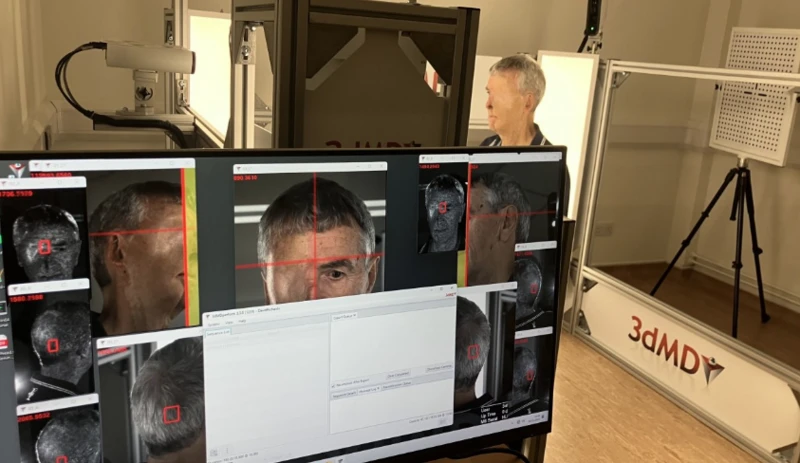
The centre is among the first, and possibly the first in the UK, to integrate complete 3D imaging and printing capabilities on-site. This allows for comprehensive patient care from detailed scans to bespoke prosthetics creation.
A key technological component in their process is the use of a PEEK (polyether ether ketone) 3D printer made by Mini Factory. This printer is large and equipped with a heated chamber reaching up to 250°C, which is essential to assure the quality and precision needed for medical-grade prosthetics.
Expanding Applications of 3D Printing in Medicine
Beyond prosthetics, the team at Bristol has discovered additional unforeseen applications for their 3D printing technology. For instance, creating 3D models of damaged organs assists surgeons in preoperative planning. These models help pinpoint critical areas such as blood vessels and nerves that must be avoided, potentially leading to more successful and less invasive surgeries.
Conclusion
While many people enjoy 3D printing as a hobby with smaller personal printers, Bristol 3D Medical Centre exemplifies how industrial-level 3D printing technology can transform medical treatment and patient outcomes. Dave Richards’ case stands as a powerful testament to the life-changing impact of 3D-printed prosthetics.