Introduction to a New 3D Printing Breakthrough
3D printing technology keeps evolving, providing new materials and methods for designers and engineers. Recently, researchers at the University of Texas at Austin unveiled an innovative 3D printing technique that breaks traditional boundaries by enabling the simultaneous printing of both hard and flexible materials using a single resin. This novel process, introduced in a recent report by Tom's Hardware, could transform how we manufacture complex objects ranging from prosthetics to flexible electronics.
The Dual-Light Printing System Explained
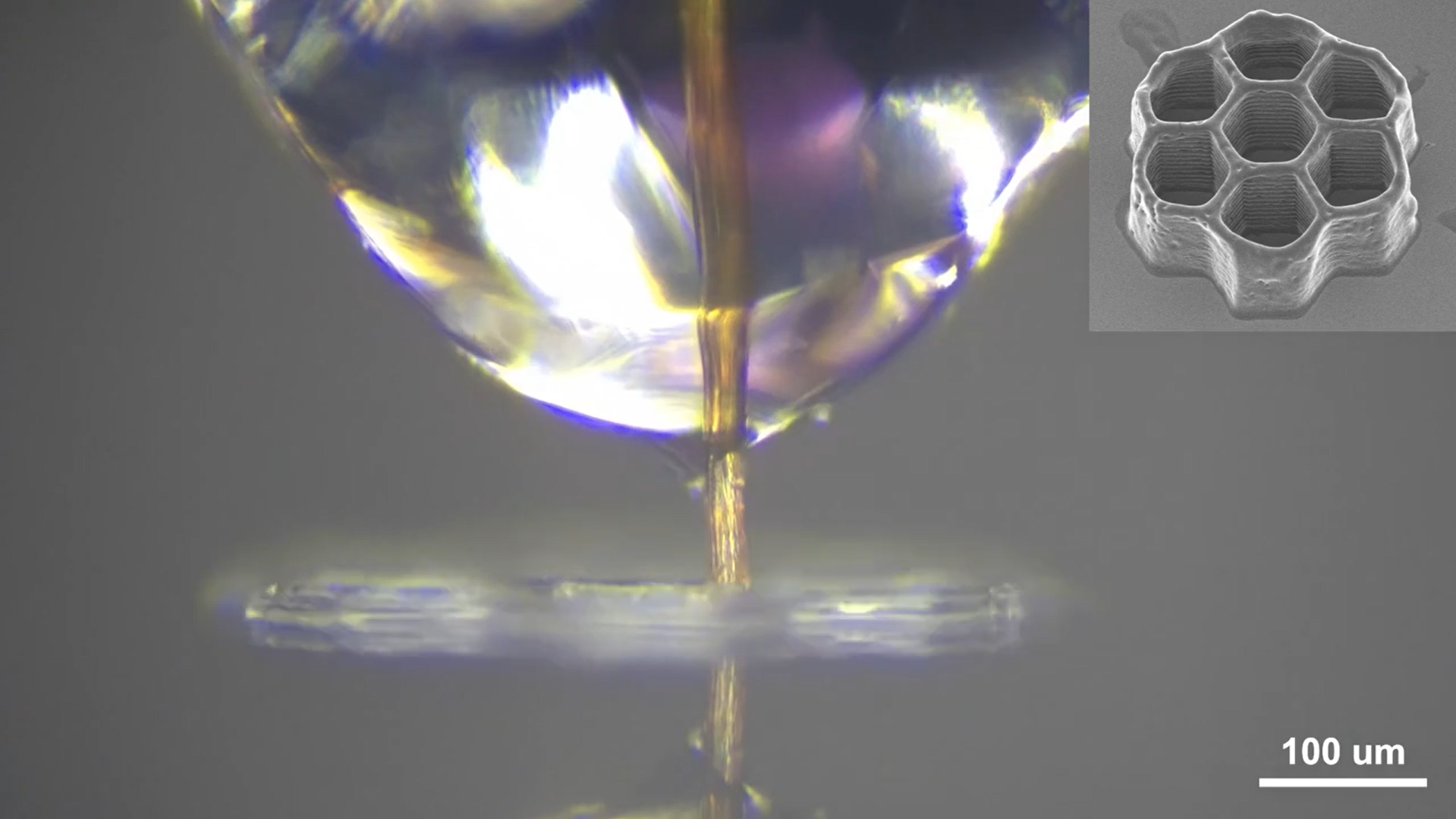
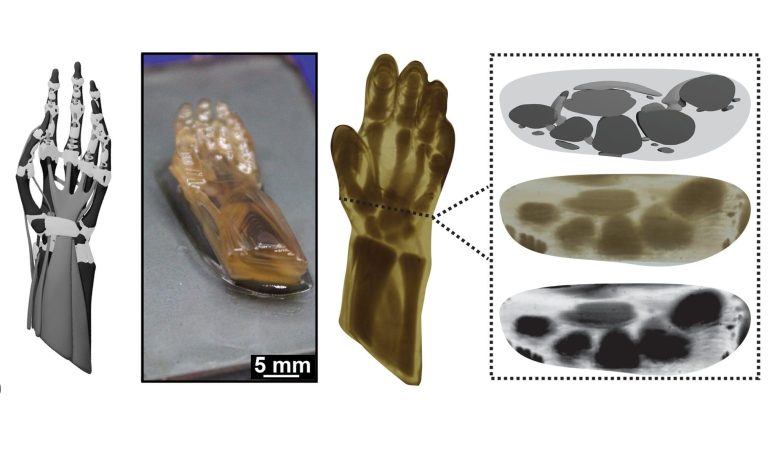
The key innovation lies in a custom UV printer capable of emitting different wavelengths of light to manipulate the same resin in unique ways. This process is termed the dual-light printing system. Instead of needing different resins for rigid and soft parts, this method leverages one specially formulated resin that responds differently depending on the light source:
- Concentrated violet light creates soft, flexible structures.
- Strong UV light solidifies the resin into hard, rigid components.
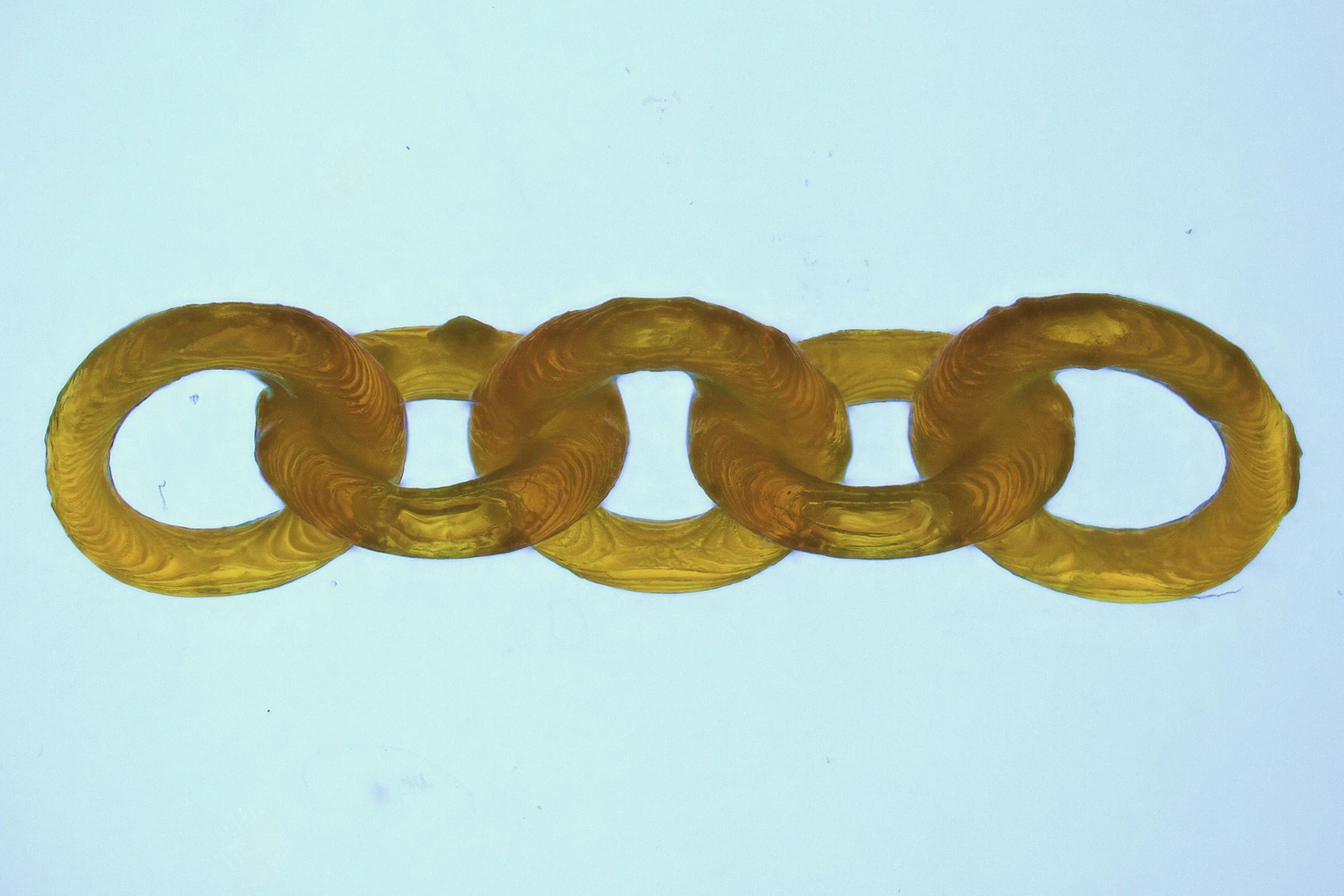
This breakthrough means the printer can produce composite objects where hard and soft materials are seamlessly integrated during the print. Unlike typical multi-material printing where parts are printed separately and then joined, this single-print process eliminates the post-processing step of fusing dissimilar materials.
Demonstrations and Potential Applications
Demonstrations of this technology showcase its remarkable capabilities. One example involves a replica of a human knee joint where rigid parts mimic bone structures, supporting flexible ligaments that move naturally. This biomimicry highlights the technology's potential in fields like prosthetic development, where replicating natural movement and complex mechanical interplay is essential.
Another showcased object is a stretchy electronic device that bends without damage. The hard segments protect delicate internal wiring by preventing excessive bending, illustrating how this technology can enhance electronic device durability and flexibility simultaneously.
Implications for Industry and Future Innovations
The implications are vast. This system could simplify manufacturing processes for products requiring variable hardness in one part, reducing assembly time and improving durability. Prosthetics could become more organic in movement and comfort, while flexible electronics might achieve new levels of resilience.
Despite its promise, this technology is still in the research phase and not yet commercially available. However, the foundation laid by the University of Texas at Austin team's dual-light system and custom resin recipe points towards exciting future advances in 3D printing.
Conclusion
This novel dual-light 3D printing method represents a significant step forward by allowing the production of integrated hard and soft structures in a single print using one material. From medical applications to flexible consumer electronics, the possibilities could reshape multiple industries. While adoption in commercial 3D printers may take time, this development offers an intriguing glimpse at the future of additive manufacturing.