A dedicated 3D printing enthusiast has crafted a unique digital camera named the "magical mouse camera" (MMC) using salvaged parts from an old optical mouse. This inventive maker project showcases recycling ingenuity by repurposing a mouse sensor to capture digital images, albeit with distinctly lo-fi results.
The Magical Mouse Camera (MMC)
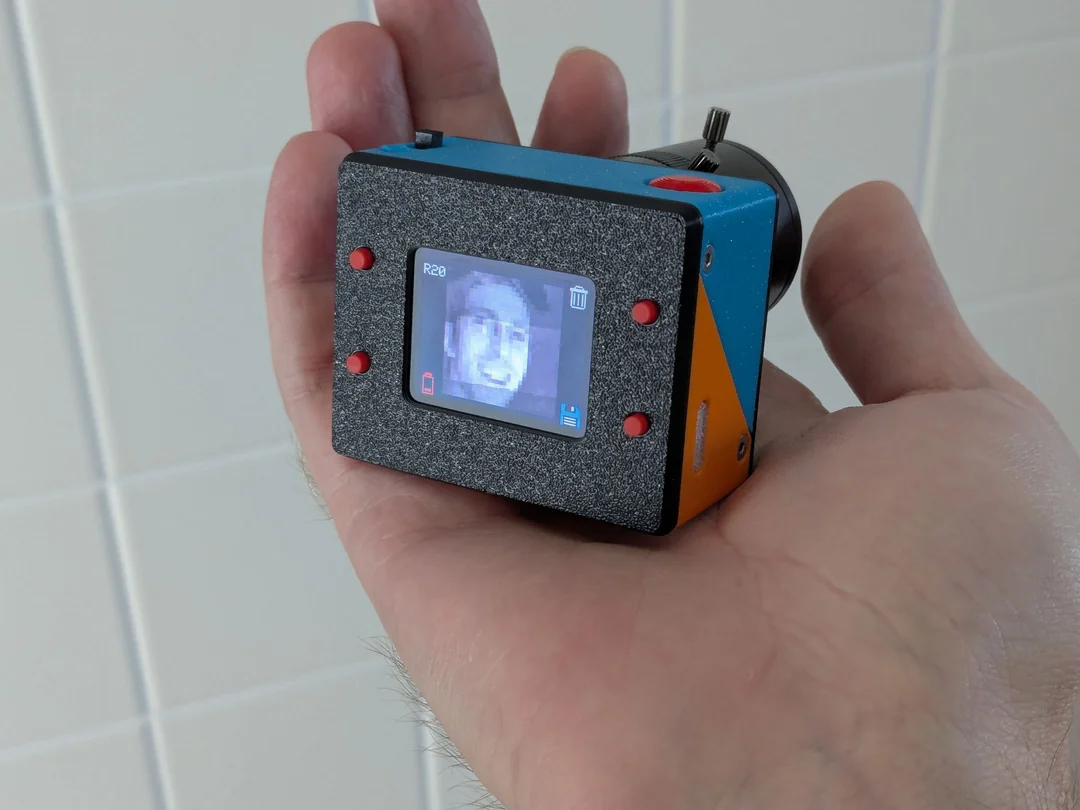
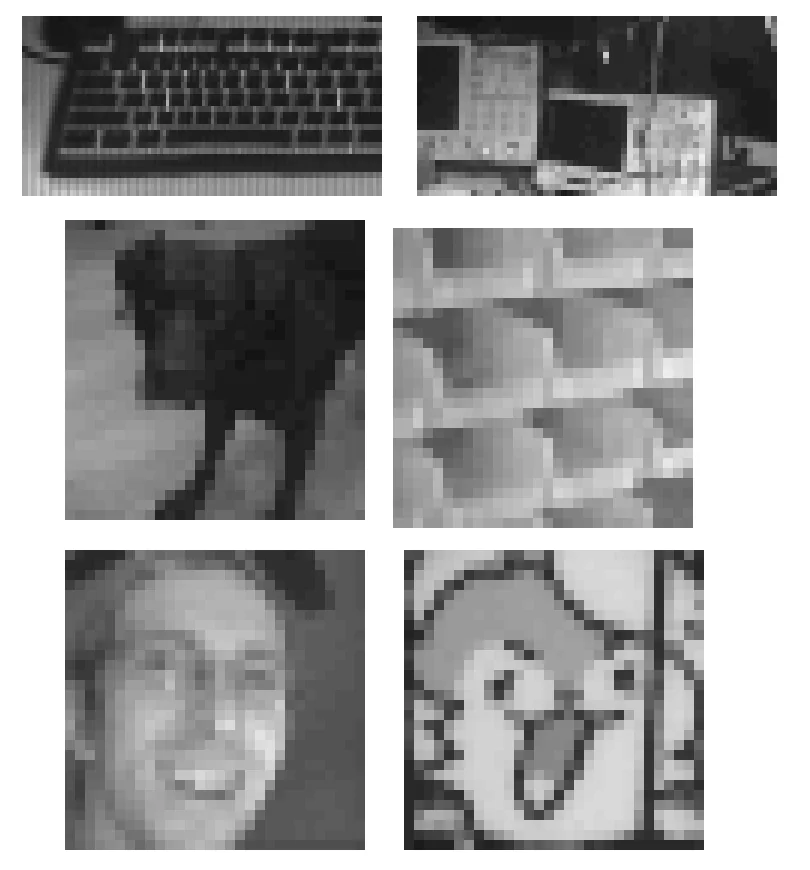
Dycus, the creator, built this adorable device featuring a compact electronic viewfinder and structural components 3D printed for optimal fit and finish. Upon powering on, the MMC projects images that are extraordinarily pixelated, reminiscent of Minecraft’s blocky graphics.
Sensor and Image Quality
The photographic centerpiece is the Logitech G400 mouse sensor (ADNS-3090), originally intended for optical mouse navigation. This sensor limits image capture to a mere 30x30 pixels with only 64 shades of gray. Consequently, the images have a postage stamp size and grayscale range, reflecting the constraints of its sensor origin.
Components and Build
The build combines multiple technologies and parts:
- Logitech G400 optical mouse sensor (2011)
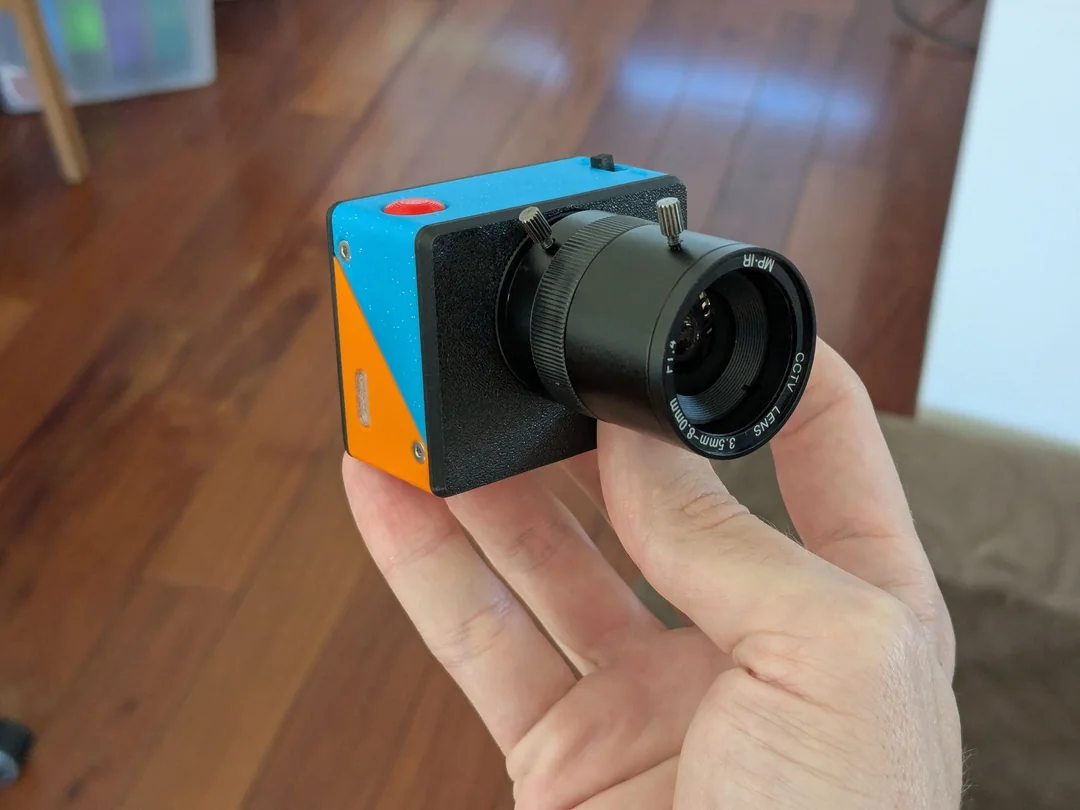
- A 3.5-8.0mm F1.4 CCTV lens (purchased from Amazon)
- Adafruit I2C FRAM breakout board to store up to 48 photos
- Adafruit OLED breakout board for the display (model unconfirmed)
- Teensy LC microcontroller
- 600mAh rechargeable battery
- Various other components, including solder and electronic connectors
Software and Functionality
Dycus developed the software for the MMC, leveraging standard Arduino libraries. The program supports the sensor operations, user interface, external memory communication, and image rendering on the OLED display. Despite claims that the camera can shoot video, the installed 32KB memory is insufficient for storing substantial video content.
Development Timeline
The entire project took around 65 hours from conception to completion. Despite the brief timescale, the final product is well-assembled and functional, illustrating impressive maker skills and efficient project execution.
Limitations and Potential Uses
Given the ultra-low resolution and grayscale limits, the MMC is unlikely to replace traditional digital cameras. However, it serves as a novel demonstration of recycling electronics and pushing the boundaries of do-it-yourself camera technology. Its unique aesthetic might appeal to niche enthusiasts and those interested in experimental digital photography.
Conclusion
The magical mouse camera is an innovative venture into creator-driven tech recycling. While its lo-fi output and technical limitations are clear, the project highlights how creative repurposing combined with 3D printing can yield functional gadgets even from the most unlikely components.