Introduction
Underwater construction and repair have traditionally been fraught with challenges including slow progress, high costs, and environmental disruption. However, a groundbreaking project led by Cornell University researchers promises to change the landscape of subsea construction through innovative underwater 3D printing technology.
The Challenge of Underwater Construction
Building or repairing structures underwater comes with unique difficulties. Key among these are material washout, where cement and concrete materials are washed away by the surrounding water before they can set, and the poor visibility that complicates precision work. Additionally, the need to minimize environmental impact adds further constraints on materials and methods.
Cornell’s Innovative Approach
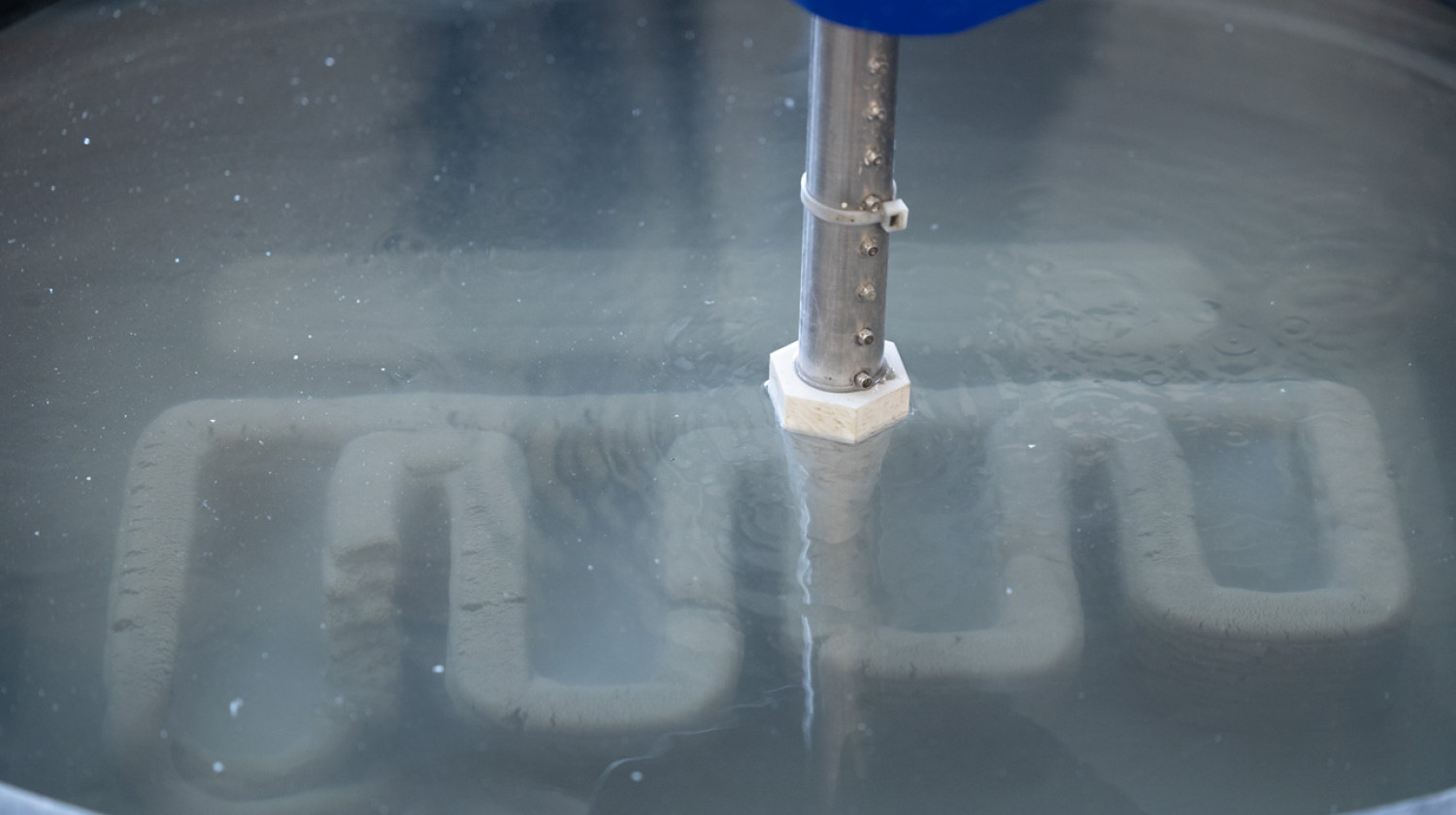
An interdisciplinary team at Cornell University, headed by Sriramya Nair, assistant professor of civil and environmental engineering, rose to the challenge by adapting their experience with large-scale terrestrial 3D concrete printing. Sprinting from land to sea, they reimagined the process for subsea conditions using a 6 000-pound (1 360kg) industrial robot tailored for underwater use.
Unique Concrete Mix Using Seafloor Sediment
A pivotal breakthrough was formulating an anti-washout concrete mix predominantly composed of seafloor sediment. This approach meets DARPA’s stipulation to incorporate local seabed materials for logistics and environmental reasons, effectively reducing ecological disturbance by repurposing materials already present at the construction site.
Technical Solutions for Underwater Printing
The team optimized the concrete’s viscosity and pumpability to prevent washout. They also developed advanced sensing systems capable of operating in low-visibility underwater environments, ensuring precise monitoring and adaptation of the printing process.
DARPA’s Role and Support
The U.S. Department of Defense’s Defense Advanced Research Projects Agency (DARPA) issued a call for proposals to advance underwater 3D printing technologies. Cornell’s team responded and earned a $1.4 million (approximately R22.5 million) grant, conditional on achieving specific project milestones. Their progress to date has been promising, demonstrating functional underwater 3D printing with minimal environmental impact.
Potential Impact and Future Prospects
This technology could revolutionize how ocean structures—like pipelines, scientific installations, and repair sites, are built and maintained. Faster, cheaper, and safer subsea construction can lead to less disruption of marine ecosystems and lower operational costs, benefiting both industry and the environment.
Conclusion
Cornell University’s pioneering work brings us closer to a future where underwater 3D printing is a reliable, eco-friendly method for ocean infrastructure development. Their success showcases the potential of interdisciplinary collaboration, robotics, and material science in solving complex marine engineering challenges.