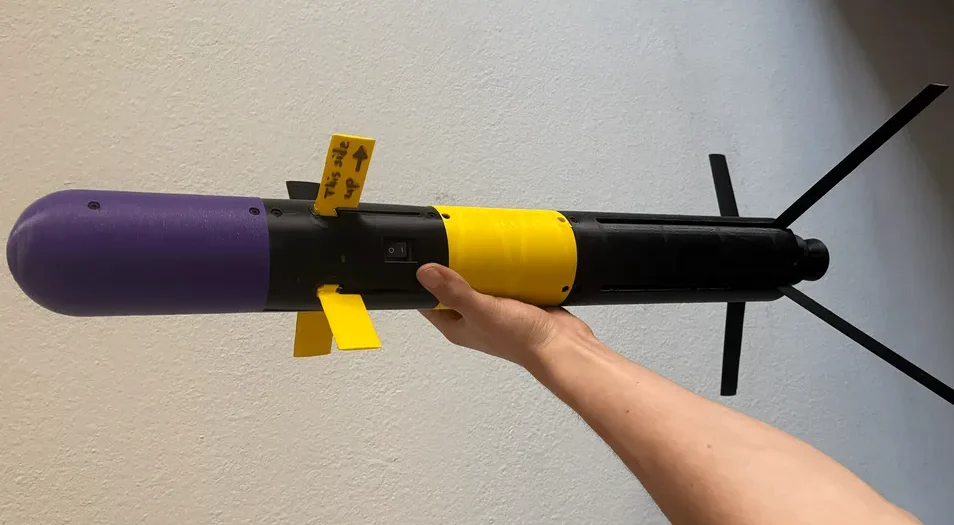
The rise of 3D printing has opened doors for enthusiasts to create complex devices from home workshops, devices once exclusive to industrial manufacturing. Recently, a tech hobbyist, Alisher Khojayev, demonstrated an extraordinary project: a shoulder-mounted guided missile system prototype created for just $96 using a 3D printer and inexpensive electronic components.
The DIY Guided Missile Prototype
In a detailed five-minute YouTube video, Khojayev explains his Stinger-like system, which includes three main components: the launcher, the missile itself, and an optional camera node tracking system for enhanced targeting.
Design and Construction
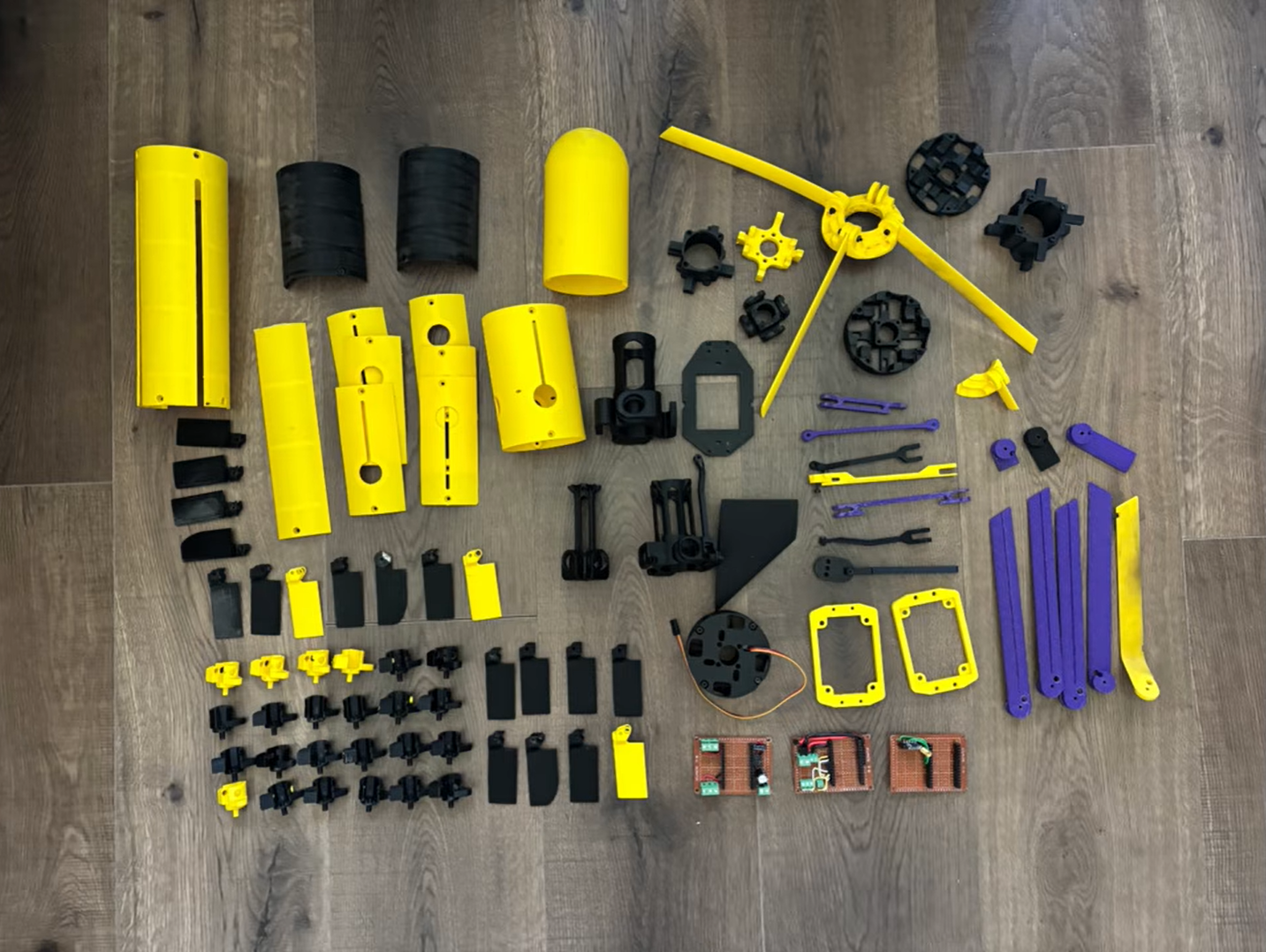
Most of the missile's structure is produced through 3D printing, while the electronic elements are composed of readily available microprocessors and sensors. The system is assembled with common hardware store parts.
How It Works
- When a missile is loaded into the launcher and the first switch is triggered, a Wi-Fi network is established between the launcher and a control computer.
- The computer receives telemetry data from the rocket and performs ballistic calculations to assist targeting, sending this data back to the launcher and missile.
- Activating the second switch connects directly to the missile, initiating real-time orientation angle calculations. This data controls the missile’s canards (movable wings) to guide its flight.
Components and Technology
- Launcher: Contains an ESP32 microprocessor, GPS module, barometer, and compass to gather environmental and positional data.
- Missile: Houses another ESP32 microprocessor paired with an MPU6050 inertial measurement unit to track orientation and velocity for precise control of the canards.
Enhanced Tracking with Camera Integration
Khojayev suggests that while the prototype missile system can operate effectively on its own, its full potential is unlocked when integrated into a camera-and-GPS mesh network. To this end, he also developed a prototype node using commonly available parts to enable enhanced tracking and targeting capabilities.
Implications and Context
This project underscores the rapid democratization of technology and the increasing capabilities accessible to individual hobbyists. It raises important questions about the availability of advanced technology and its implications.
Conclusion
Alisher Khojayev’s project is a striking example of how affordable 3D printing and basic electronics can combine to create sophisticated guided systems once restricted to military-grade technology. While his prototype is primarily a demonstration of technical skill and feasibility, it sheds light on the broader impact of accessible manufacturing technologies.