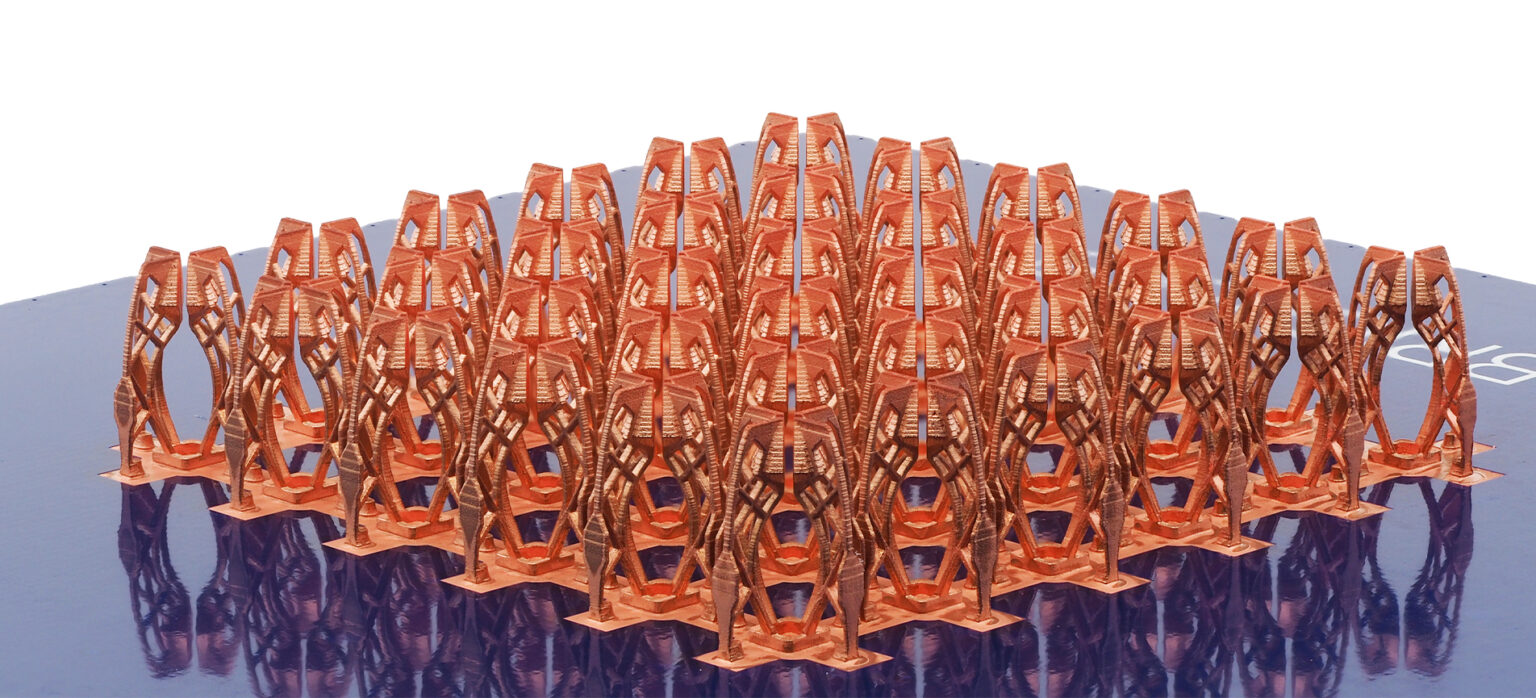
In the world of 3D printing, the race often focuses on achieving faster speeds and larger build volumes. But Fabric8Labs has taken a different approach by spotlighting the immense potential of microscopic 3D printing. Their breakthrough technology allows printing copper coolers directly onto processors with extraordinary precision, with promising practical applications for chip cooling.
The Innovation: 3D Printing Copper Coolers
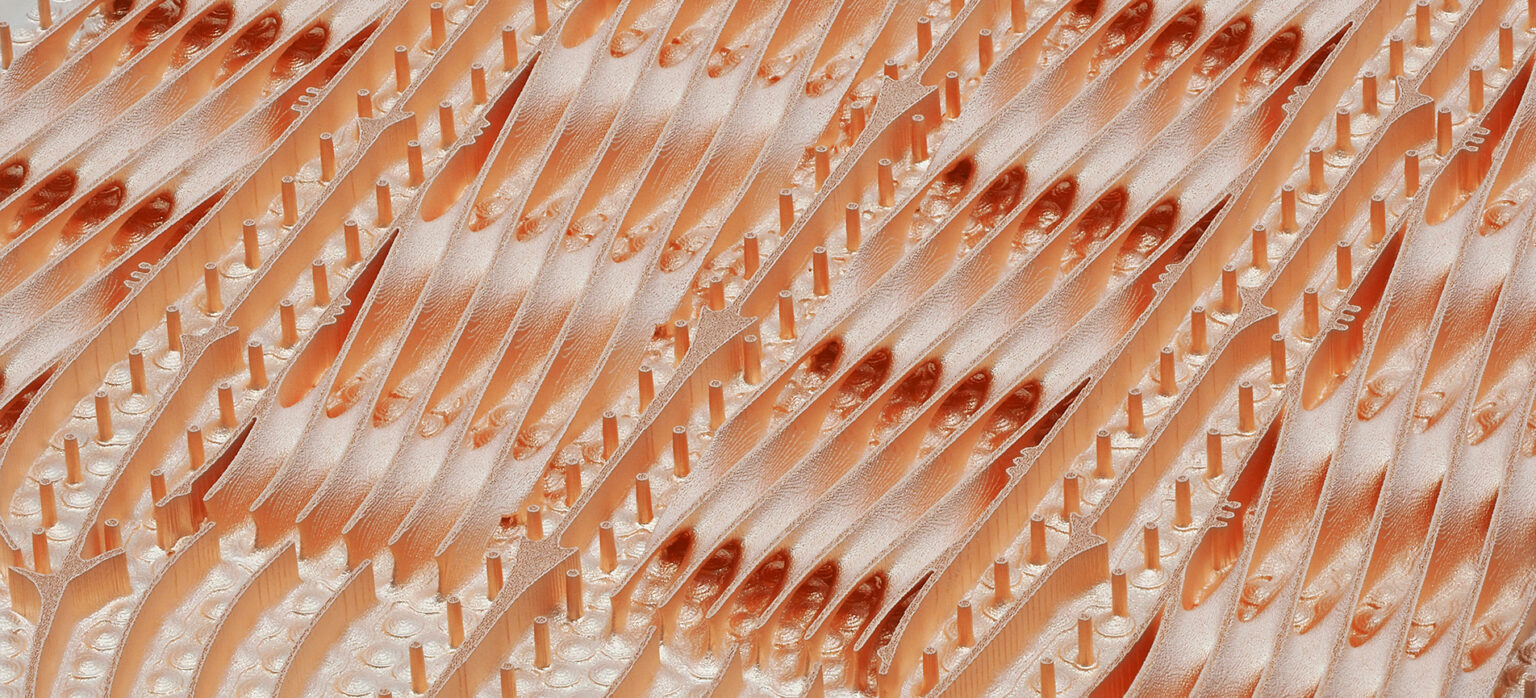
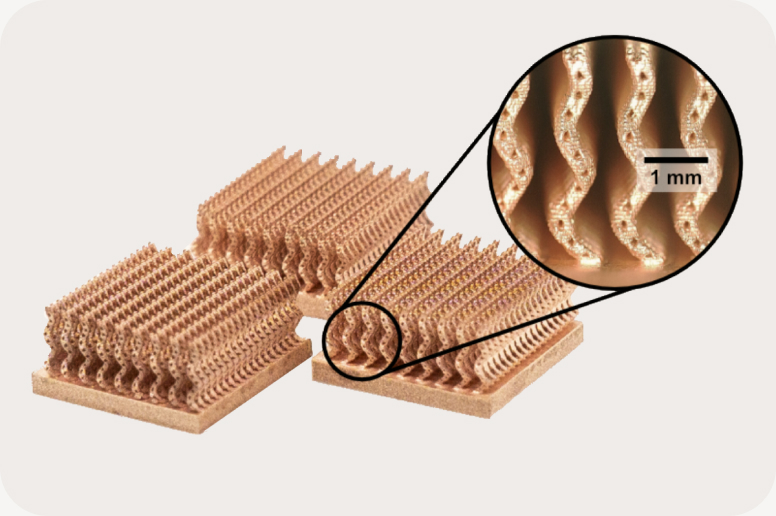
At the recent Hot Chips conference, Fabric8Labs unveiled their novel method for 3D printing copper into ultra-small, intricate structures designed specifically to cool processors effectively. This innovation leverages a process similar to resin printing but replaces the traditional UV light curing with the integration of OLED display technology.
How It Works
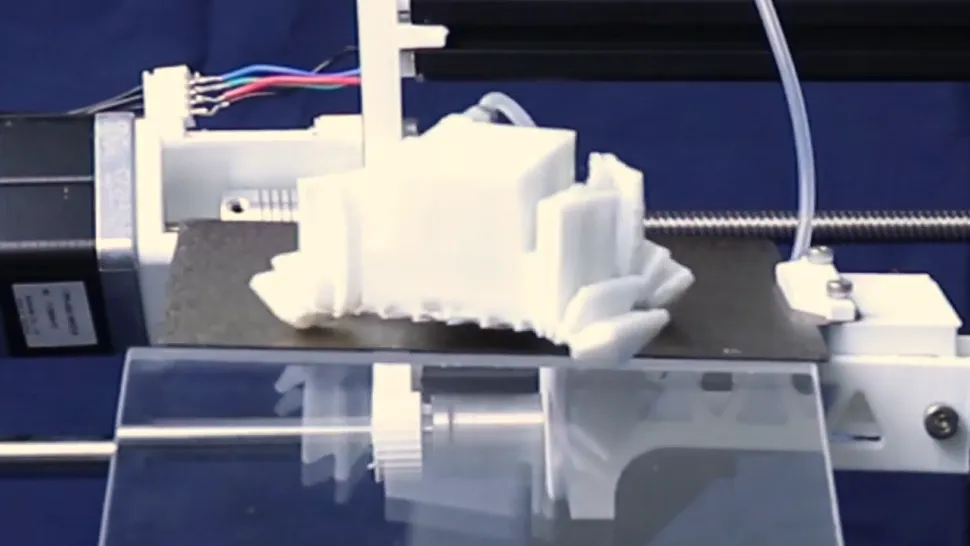
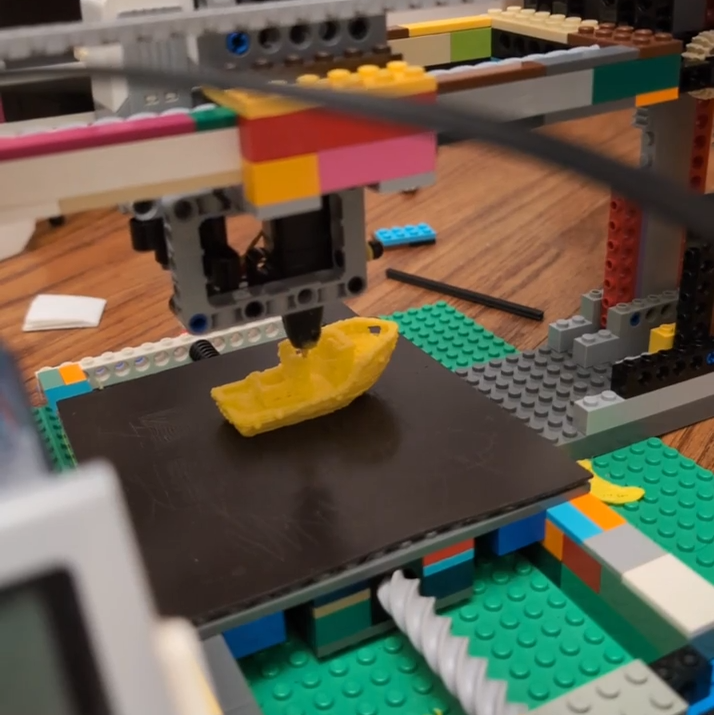
Standard resin 3D printing typically involves shining beams of UV light into a resin vat to harden layers sequentially. Fabric8Labs instead employs an approach called electromechanical additive manufacturing (ECAM), which uses electrical charges rather than beams of light to deposit the copper. This technique enables what the company calls "pixel-perfect accuracy," allowing them to create highly detailed cooling surfaces.
Advantages of Custom 3D Printed Cooling Plates
The company currently produces custom-designed cooling plates featuring intricate internal channels that surpass traditional straight channel designs common in current cooling technologies. These conventional channels are more prone to clogging. In contrast, the 3D printed plates can have offset channels that reduce clog risks.
Additionally, the designs are not limited to manual creation; Fabric8Labs incorporates AI optimization alongside human design input to develop efficient cooling architectures. These AI-optimized shapes promise improved thermal management for processors.
Future Prospects
At present, these copper coolers are printed as separate plates that require manual installation onto chips. Looking ahead, Fabric8Labs envisions a workflow where these cooling structures could be 3D printed directly onto processors, potentially revolutionizing the manufacturing and cooling efficiency in the semiconductor industry.
Conclusion
Fabric8Labs represents a fascinating shift in 3D printing technology, demonstrating that micro-scale printing with OLED-based electromechanical additive manufacturing can have meaningful industry applications, especially in electronics cooling. By combining advanced materials, precision printing, and AI-driven design, they are opening new possibilities in processor performance and longevity.