Incident Overview
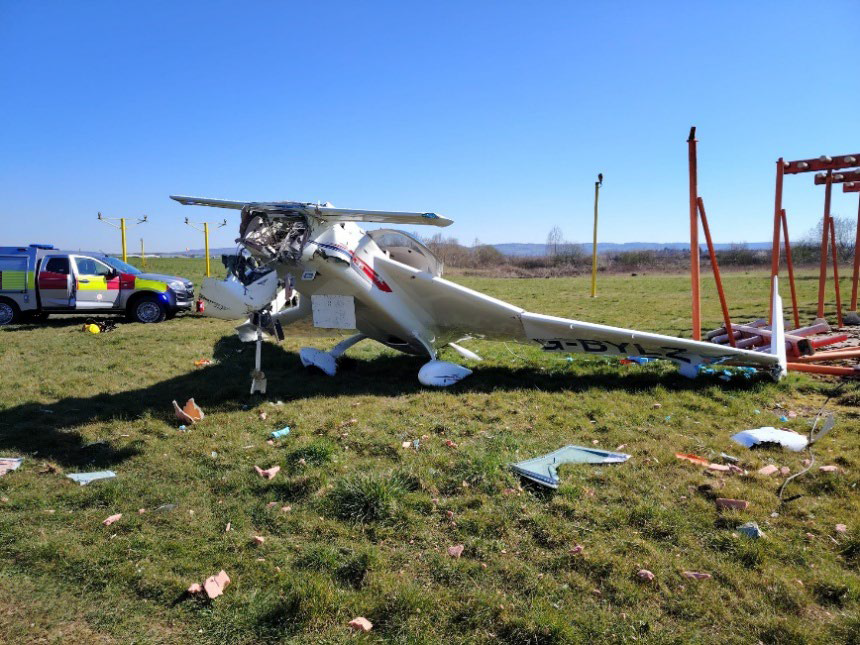
A homebuilt light aircraft, the Cozy Mk IV, suffered a crash on approach to Gloucestershire Airport in the U.K. following a loss of engine power. The Air Accidents Investigation Branch (AAIB) report explains the cause as the failure of a 3D-printed plastic air induction elbow that softened and collapsed due to heat during flight.
Details of the Failure
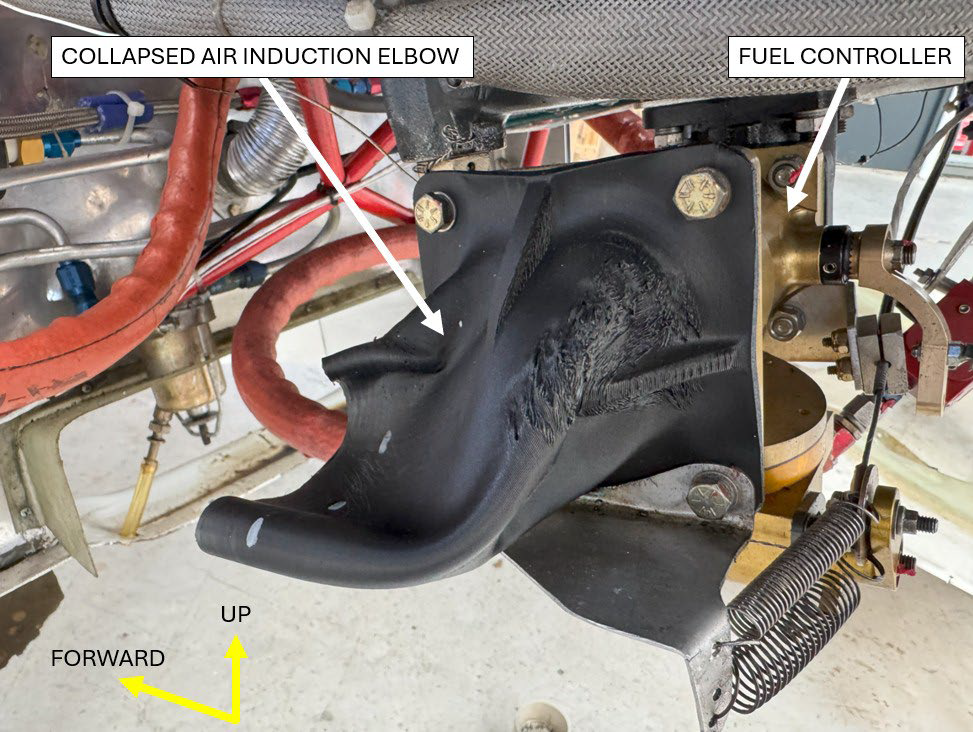
The plastic air intake part, which the pilot obtained at an air show in the U.S., lacked the structural design properties of the original component. The original design for the air induction elbow included a section of aluminum tubing near the inlet to provide temperature-insensitive structural support. The 3D-printed part, however, did not incorporate this feature.
The AAIB's testing revealed that the plastic part would fail at temperatures between 52.8 and 54 degrees Celsius, significantly lower than the manufacturer's required temperature tolerance. When the part softened and collapsed, it blocked the air intake, causing a complete engine power loss as the pilot attempted to add power while on final approach.
Crash Sequence and Outcome
The pilot managed to control the aircraft enough to fly over a road and a line of bushes along the airfield boundary but ultimately landed short of the runway. The plane struck an instrument landing system structure and came to rest alongside it. Notably, the pilot escaped with only minor injuries despite the crash.
Regulatory and Safety Considerations
This incident underscores the critical importance of adhering to proper material specifications and regulatory compliance when using 3D printing for aviation parts. While 3D printing is increasingly used in aviation due to its rapid manufacturing capabilities, strict adherence to safety protocols is necessary to prevent failures that could endanger lives and property.
The pilot had previously applied to the Light Aircraft Association (LAA) Engineering for a prototype modification approval, which was granted. However, he did not disclose the installation of the 3D-printed part, further complicating the situation.
Lessons Learned
The crash serves as a cautionary tale about disregarding established design criteria and regulatory requirements in aviation. It highlights how multiple small oversights, like material choice and incomplete disclosure, aligned to cause this accident, illustrating the concept known in safety science as a "Swiss Cheese" event.
Conclusion
Thanks to the pilot's skill and perhaps some fortunate circumstances, the incident resulted in only minor injuries. However, the aircraft itself was deemed a total loss. This accident reinforces that while 3D printing holds promise for aviation manufacturing, strict quality control and thorough regulatory compliance are essential to ensure flight safety.