In a remarkable milestone for hobbyists and aerospace enthusiasts alike, a South African father-son team has shattered expectations and established a new Guinness World Record with a fully 3D-printed quadcopter that achieved unprecedented speeds. Their work underscores how consumer-grade tools, ingenuity and perseverance can push drone performance into realms previously thought possible only for well-funded aerospace firms.
The Record-Breaking Drone: Peregreen V4
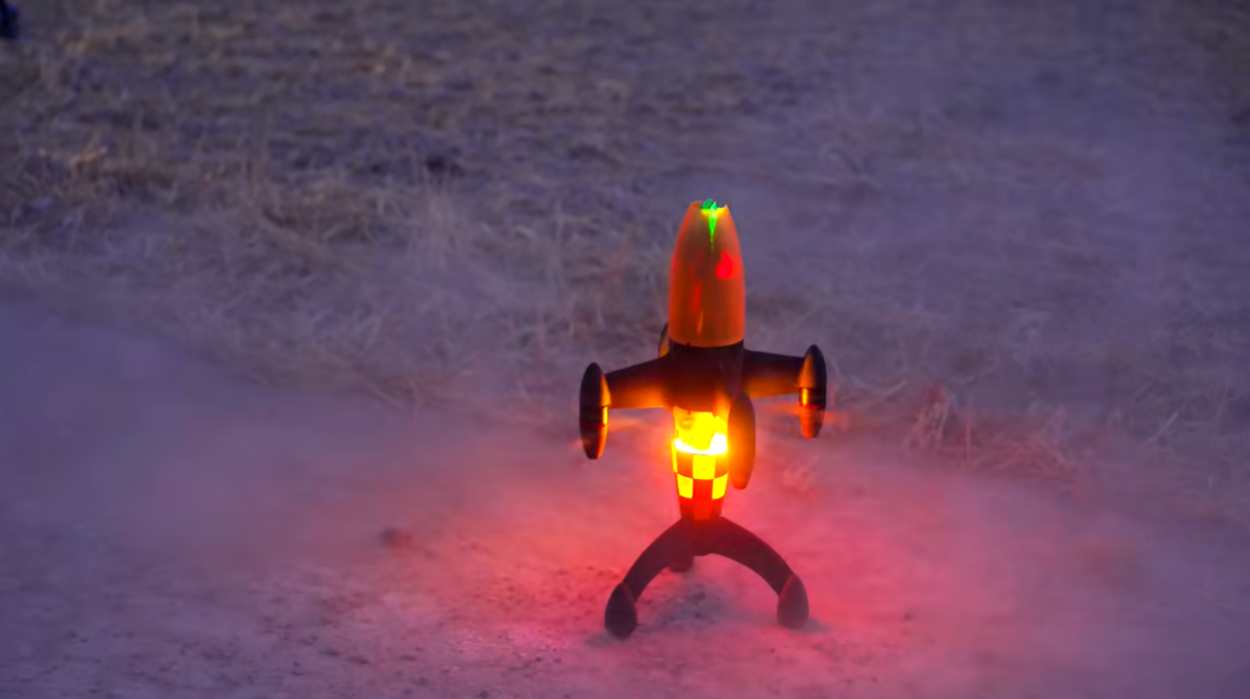
The latest culmination of this long-running project is the Peregreen V4, a quadcopter designed and built by mechanical engineer and YouTuber Luke Maximo Bell alongside his father, Mike Bell. In December 2025 on a farm near Melkbosstrand in South Africa, the Peregreen V4 reached a verified average speed of 657.59 km/h (408.60 mph) over two opposite-direction runs, surpassing the previous world record and reclaiming the title for fastest battery-powered remote-controlled quadcopter. Under tailwind conditions, peak speeds hit 659 km/h.
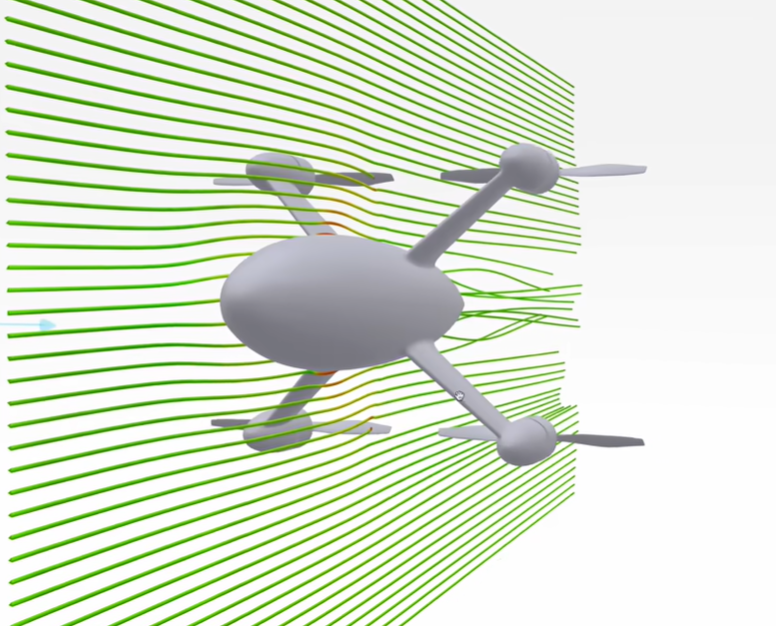
What makes this achievement especially noteworthy is that the entire drone airframe and many structural elements were produced using consumer-grade 3D printing technology. The Bells relied on a Bambu Lab H2D printer capable of dual-material extrusion, combining materials like PETG for general structure, PA6-CF (carbon fiber reinforced nylon) for strength and stiffness, and TPU for resilient components. This material strategy balanced lightness, strength and heat resistance, critical factors when approaching drag-dominated flight at such speeds. Aerodynamic design was refined using computational fluid dynamics (CFD) tools, including AirShaper, to minimize drag and optimize airflow.
A History of Constant Progress
The Peregreen V4 is not an isolated achievement but rather the latest evolution in a succession of record-breaking builds. The Bells’ first major world record came in April 2024, when an earlier Peregreen model achieved 480.23 km/h (about 298.47 mph), making it the fastest drone on record at that time. Swiss and Australian competitors briefly claimed higher speeds, including an Australian engineer’s 626 km/h run, but the Bells iterated and came back stronger with the V4 model.
Prior versions of the Peregreen design also set Guinness-certified records. In June 2025, the Peregreen 3 reportedly hit speeds above 360 mph (around 580 km/h) in Dubai, further demonstrating the team’s iterative improvements in frame design, propulsion and control systems.
Engineering Challenges and Innovations
Achieving such high velocities with battery-powered drones presents significant engineering challenges. At low speeds, stability and basic lift dominate design priorities, but as velocities approach hundreds of kilometers per hour, aerodynamic drag becomes a dominant force and structural integrity becomes critical. Any imbalance, flex or resonance can cause catastrophic failure. The Bells’ approach emphasized several key engineering strategies:
- Aerodynamic optimization: Using CFD and iterative prototyping to refine the quadcopter’s shape reduced drag and improved airflow around the arms and body.
- Advanced materials: Carbon-fibre-reinforced nylon and TPU components reduced weight while maintaining strength where needed. PETG provided a reliable base for structural parts.
- Propulsion tuning: Custom motor windings and high-performance brushless motors ensured sufficient thrust and power delivery at high RPMs, while careful shortening and polishing of propellers reduced drag and improved efficiency.
- Validation: Both bench testing and controlled flight runs were used to validate performance improvements before committing to final record attempts.
Why It Matters
This achievement is more than a Guinness World Record headline; it reflects broader trends in aerospace and maker culture. The Peregreen project illustrates how additive manufacturing has matured to the point where hobbyists can prototype, test and refine high-performance aerial vehicles at a fraction of the cost of traditional manufacturing. It also signals a shift in how innovation can be democratized: sophisticated aerodynamic modeling, 3D printing of advanced composites and high-speed battery-powered propulsion are accessible outside institutional laboratories.
The Future of High-Speed Drones
Looking ahead, several advancements could push drone speed and performance even further. Improvements in battery energy density, motor efficiency and real-time adaptive flight control algorithms may unlock new thresholds. Moreover, the experience gained from projects like Peregreen could inform professional drone racing leagues, aerodynamic research and even commercial delivery drone design where speed and efficiency are paramount. Hybrid propulsion systems or more integrated 3D-printed composite architectures might offer new avenues for performance. Future builds may also benefit from integrating machine learning for flight control optimization or exploring autonomous high-speed navigation technologies.
This milestone serves as a testament to what motivated individuals can achieve with today's accessible tools and underscores a broader shift toward decentralized, maker-driven innovation in aerospace and robotics.