Introduction
The rapidly evolving 3D printing landscape continues to push boundaries with innovations focused on speed, precision, and versatility. Among the latest developments, two highly anticipated models the Bambu Lab H2C and the Prusa CORE One INDX - stand out for their technically advanced features targeting professional and enthusiast markets. Understanding their core technologies and design philosophies helps clarify which machine fits particular use cases while charting the future of multi-material and high-performance 3D printing.
Bambu Lab H2C
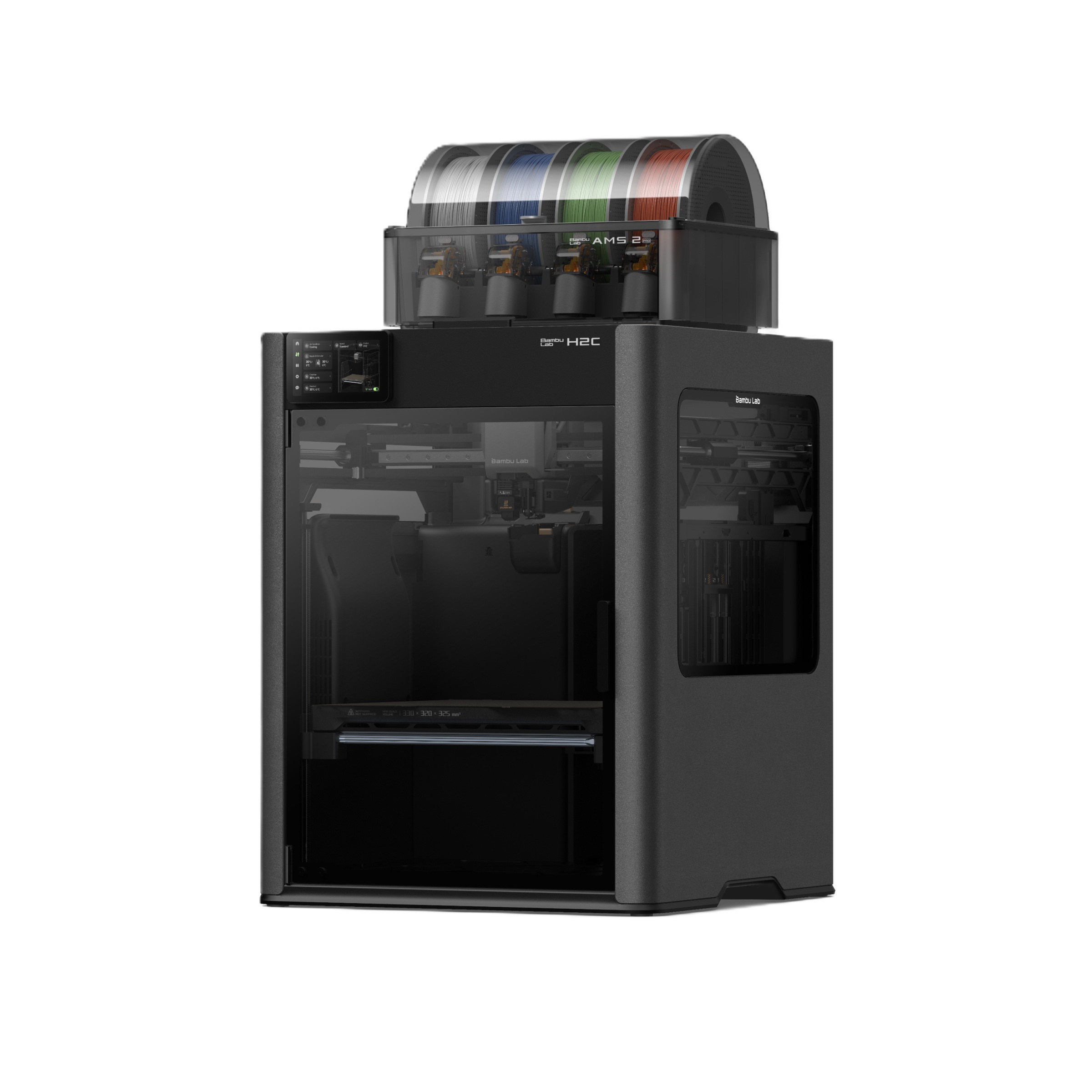
The Bambu Lab H2C builds upon the success of its predecessor with key hardware improvements aimed at enhancing print quality and reliability. A standout feature is the introduction of the Vortek nozzle, which multiple sources confirm is engineered for improved thermal management and consistent filament flow. According to both the original article and official Bambu Lab community discussions, the Vortek nozzle's design focuses on minimizing heat creep, thus enabling better performance with a wider range of filaments including advanced composites.
Additionally, the H2C maintains Bambu Lab's high-speed printing capabilities, supported by precision components and an updated motion system. The machine's integration with its ecosystem for multi-material printing and its robust firmware further solidify its position as a high-performance desktop device.
Prusa CORE One INDX
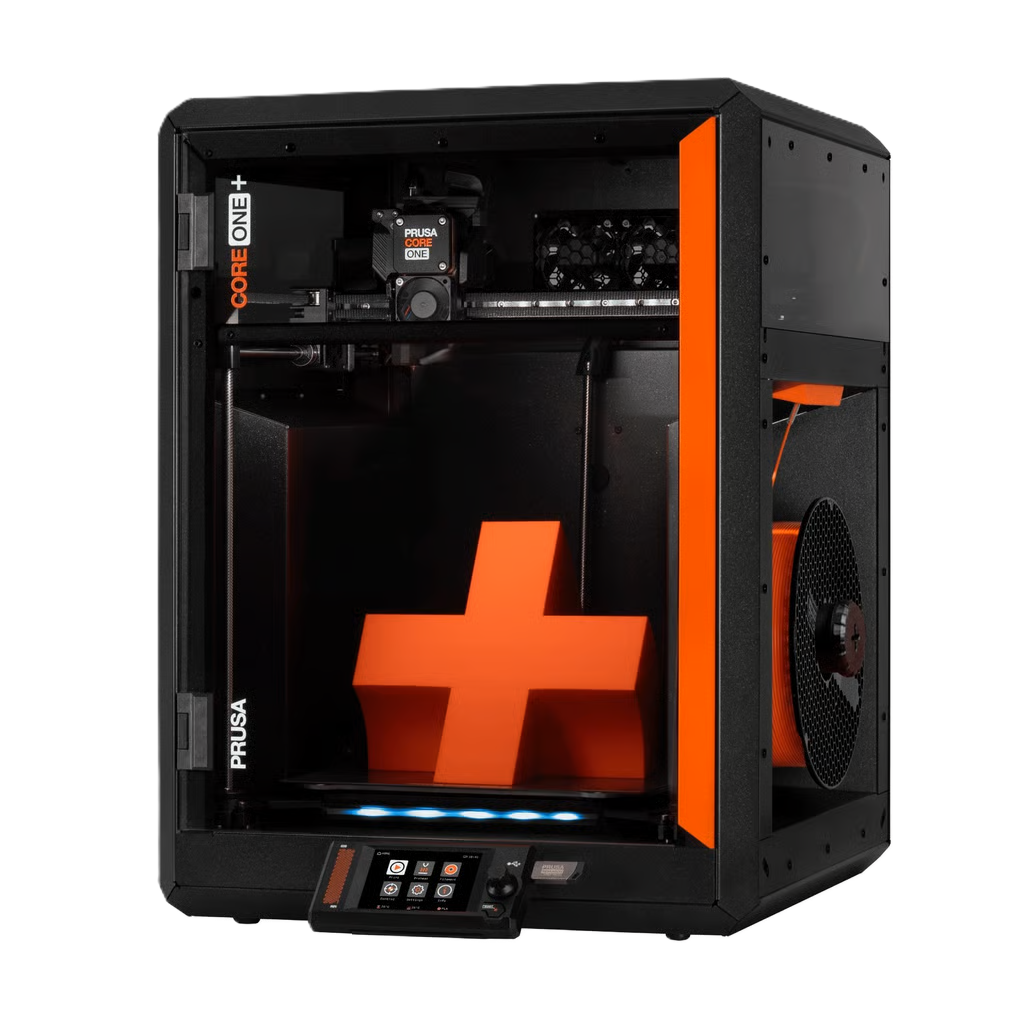
Distinct from the single-nozzle design of the H2C, the Prusa CORE One INDX introduces a novel tool-changing concept that multiple reliable sources, including Prusa's official announcements, highlight as a significant step toward flexible multi-material and multi-tool printing. Instead of a fixed single extruder, the CORE One INDX employs an automated tool changer that allows swapping between different print heads or tool types on the fly.
This concept supports discrete workflows such as combining filament extrusion with paste or resin printing tools, broadening the machine's functional scope. The original article and community forums both reinforce that this design presents unique opportunities in prototyping and small-batch manufacturing where versatility outweighs speed.
Comparison
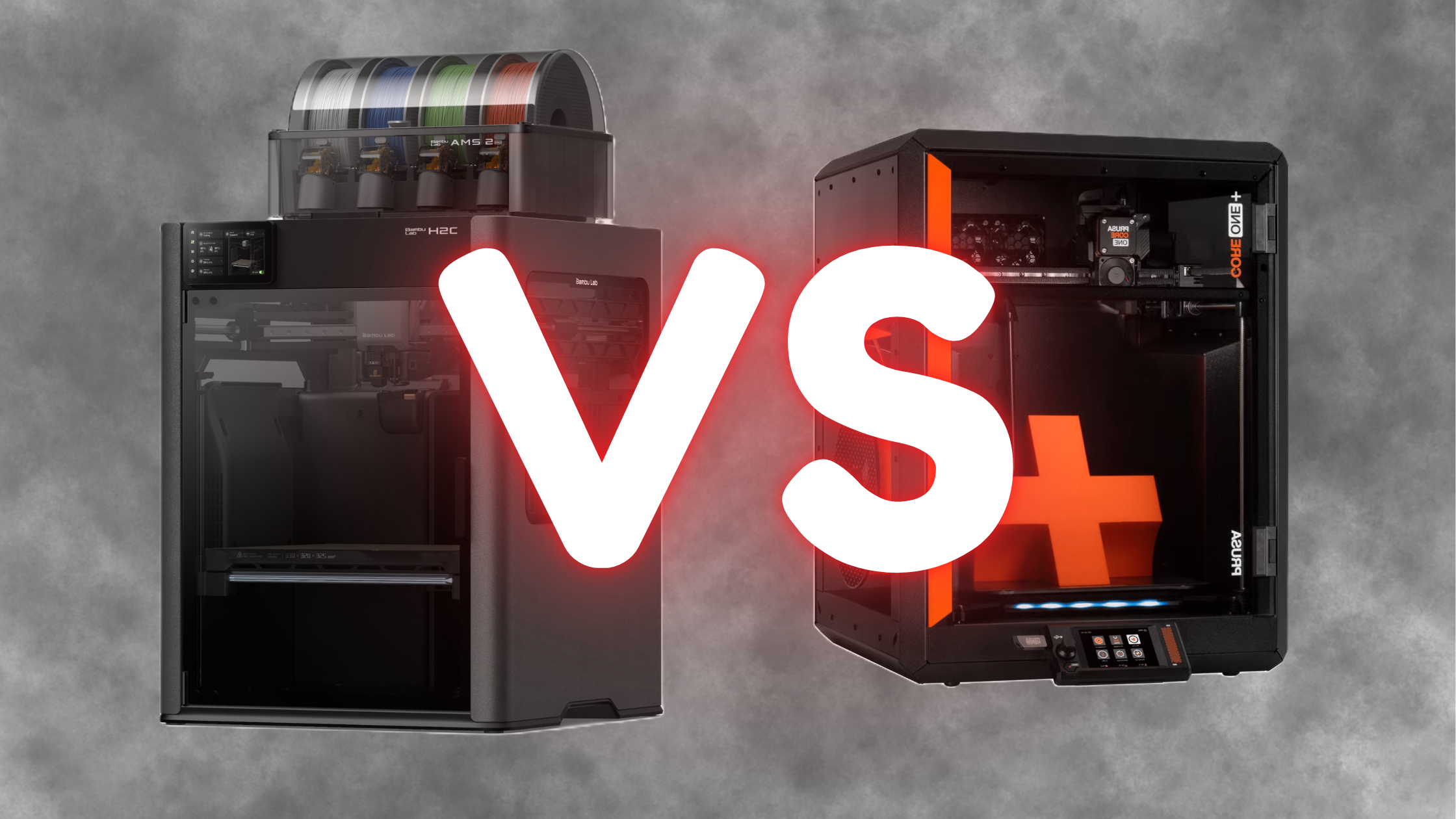
When comparing the Bambu Lab H2C and the Prusa CORE One INDX, clear tradeoffs emerge. The H2C is optimized for speed, precision, and multi-material print quality through its Vortek nozzle and streamlined hardware. It suits users prioritizing rapid iteration cycles and reliable, high-detail prints, especially with demanding filament mixes.
Conversely, the CORE One INDX focuses on adaptability via its tool-changing mechanism, catering to workflows that require multiple tool types or materials within the same build. While this flexibility can reduce printing speed due to tool swaps and complexity, it opens new avenues in multi-process printing.
Each machine has its niche. Bambu Lab H2C appeals to users who want advanced yet straightforward multi-material printing, while Prusa’s offering is tailored for experimentation and hybrid printing techniques.
What to Watch Next
Availability and full specifications remain key points to monitor. Bambu Lab is actively shipping the H2C in select markets, with ongoing firmware updates enhancing its operational stability. Users should watch for detailed third-party validation of the Vortek nozzle’s performance across diverse filament types.
Meanwhile, Prusa’s CORE One INDX is still building its market presence. Close attention should be paid to real-world testing of the tool-changing system, workflow software maturity, and user feedback on reliability and maintenance.
Both companies are likely to release further firmware and hardware refinements, making this space highly dynamic over the coming months.
Conclusion
The emergence of the Bambu Lab H2C and Prusa CORE One INDX underscores a split in 3D printing innovation: precision speed versus versatile multi-tool capability. Confirmed tech like the Vortek nozzle and automated tool changers represent tangible advancements supported by official sources. However, community speculation and ongoing testing emphasize that practical validation and software ecosystem support will ultimately define their success. Enthusiasts and professionals alike should watch these developments closely to align their equipment choices with their evolving printing needs and technical ambitions.