
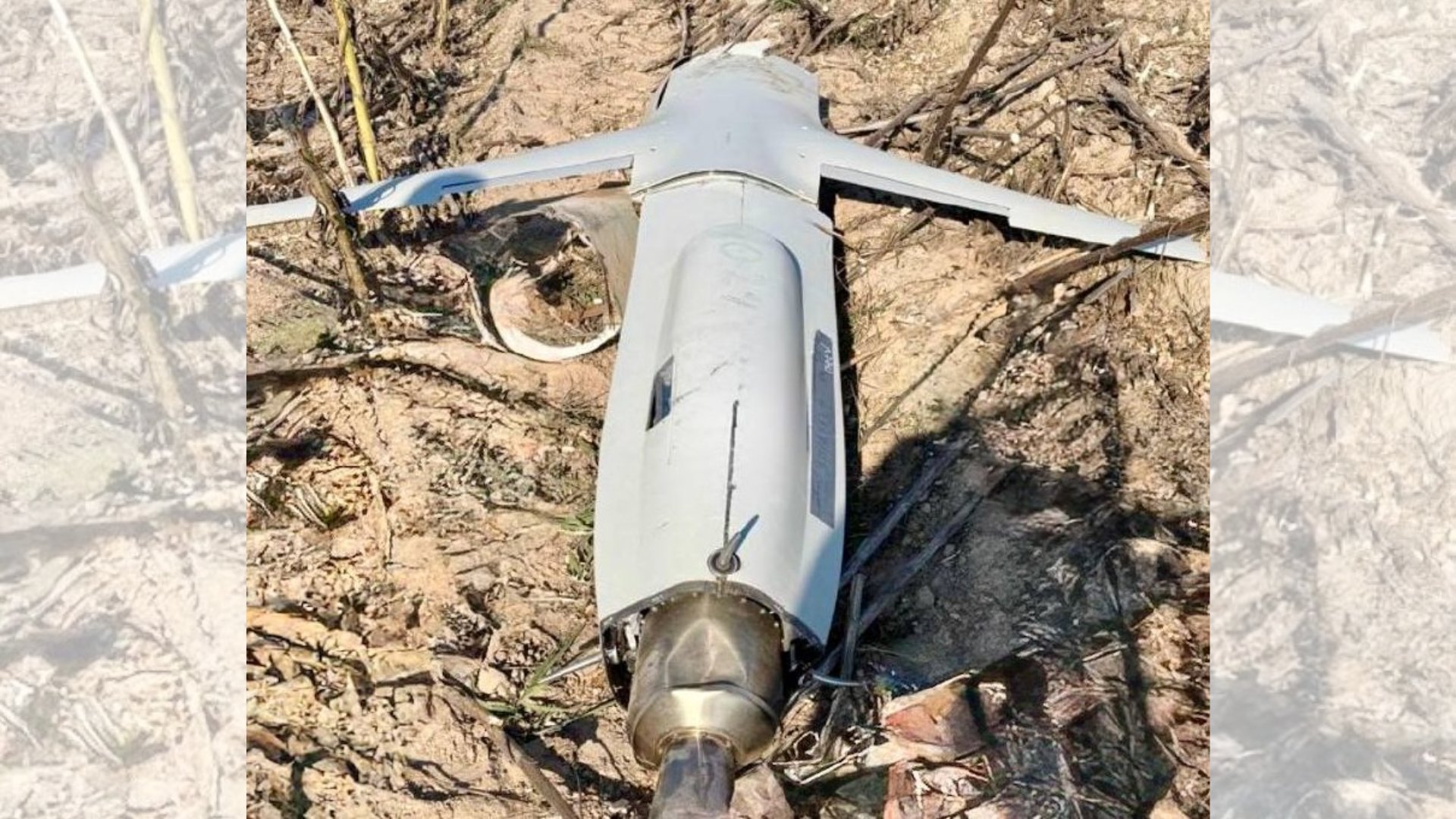
Russia’s Filin cruise missile combines 3D-printed components, a composite airframe and commercially available electronics in a push toward cheaper long-range weapons, according to Ukraine’s military intelligence agency, HUR. The agency published technical details and a component breakdown on October 22.
The manufacturing story extends beyond additive production. Standardized electronics and components already found in other Russian weapons point to a design intended to simplify production, raising concerns about larger attacks against Ukraine’s stretched air defenses.
Where 3D printing fits into Filin
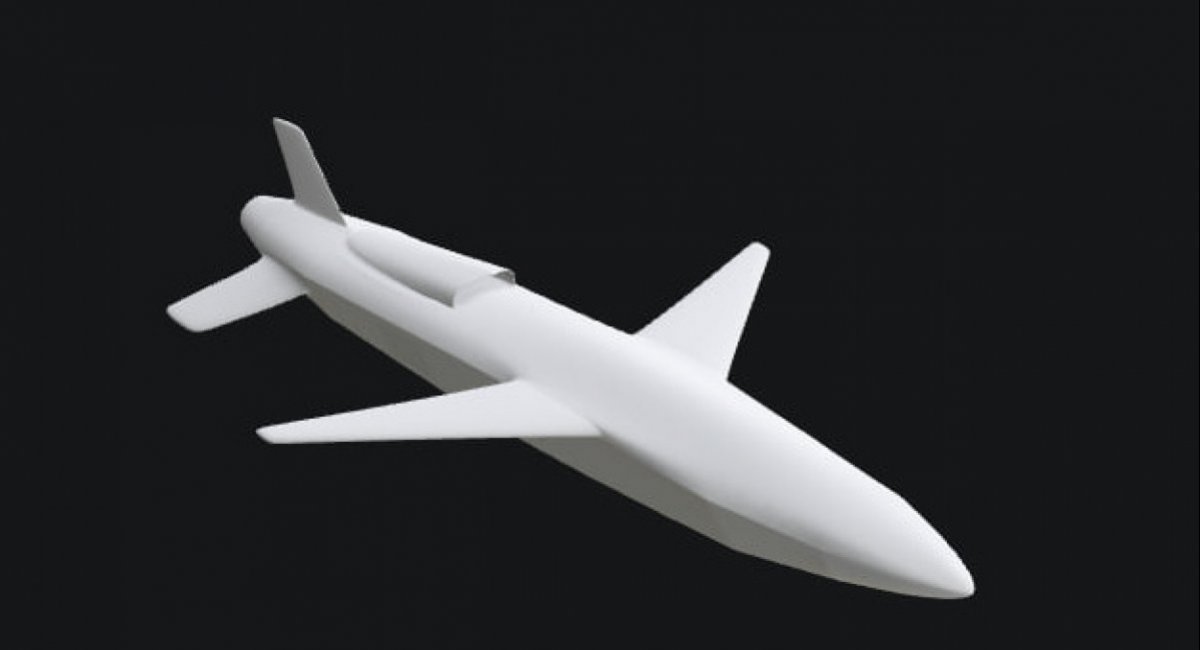
HUR describes a carbon-fiber and fiberglass fuselage with some 3D-printed components. The missile measures 3.5 meters long and has a 3-meter wingspan. NPO Molniya, part of Russia’s Tactical Missiles Corporation, produces it.
The public descriptions do not identify which components are printed, their materials or the additive manufacturing process used. That leaves the precise contribution of 3D printing to Filin’s production costs unclear.
Additive manufacturing can be economical for certain complex geometries, but it is not automatically cheaper than conventional production. For Filin, HUR also identifies commercially available electronics and standardized designs across onboard units and circuit boards as measures intended to reduce costs and facilitate mass production.
The agency’s account places additive manufacturing within a broader production strategy, alongside a composite airframe and shared electronic designs.
Claimed speed reaches roughly 500 mph
Russian-advertised specifications cited by HUR put Filin’s maximum speed at 800 km/h, roughly 500 mph, with a range of up to 1,200 kilometers, about 745 miles. Those performance claims have not been independently verified.
The ground-launched missile uses a solid-propellant booster before switching to a Russian-made R500 turbojet from Reynolds. HUR describes versions carrying either a 50-kilogram or 100-kilogram warhead, with flight profiles ranging from very low altitude to heights of 6 kilometers.
Accounts differ on its combat debut. HUR-based reporting places first use in late summer 2026, while Tom’s Hardware describes deployment around September and October.
Business Insider, as cited by Tom’s Hardware, describes Filin as more affordable than the Kh-101, which costs more than $2 million per launch. A specific Filin price has not been disclosed. The concern is that a cheaper cruise missile could enable more numerous launches aimed at overwhelming Ukrainian defenses.
The electronics tally counts entries, not unique designs
HUR identified 35 electronic component entries associated with US manufacturers and 22 with Chinese manufacturers. A further 13 were associated with companies in Switzerland, Japan, Taiwan and the Netherlands.
An analysis of the 81-entry parts list by DefenceUkraine explains that these figures count individual database entries, including repeated components. They are not counts of unique chip designs. Eleven entries have no country identified.
The national labels reflect manufacturers’ corporate headquarters, rather than necessarily identifying the factory where a component was made. The list also does not reveal which intermediaries supplied the parts to Russia.
HUR identifies a Chinese-made inertial navigation unit and a 16-channel Kometa satellite-navigation system. It attributes onboard equipment to Russian company PLAZ and reports similar equipment layouts and markings in Filin and the Garpiya attack drone. DefenceUkraine noted that no independent inspection of Filin wreckage had been published by October 27.
Ukraine is also seeking lower-cost defenses
The pressure to reduce costs extends to defending against these weapons. In May, RBC-Ukraine reported on Cascade Systems’ Lima electronic warfare system, which disrupts satellite navigation and transmits false coordinates to divert incoming weapons. At that time, an installation was reported to cost about €58,000.
Ukrainian officials also described the limits of that approach: weapons can continue flying using inertial navigation after losing satellite signals, and falling missiles or drones can still cause damage. Filin’s reported combination of inertial navigation and anti-jamming hardware puts those competing guidance and electronic warfare technologies directly into focus.