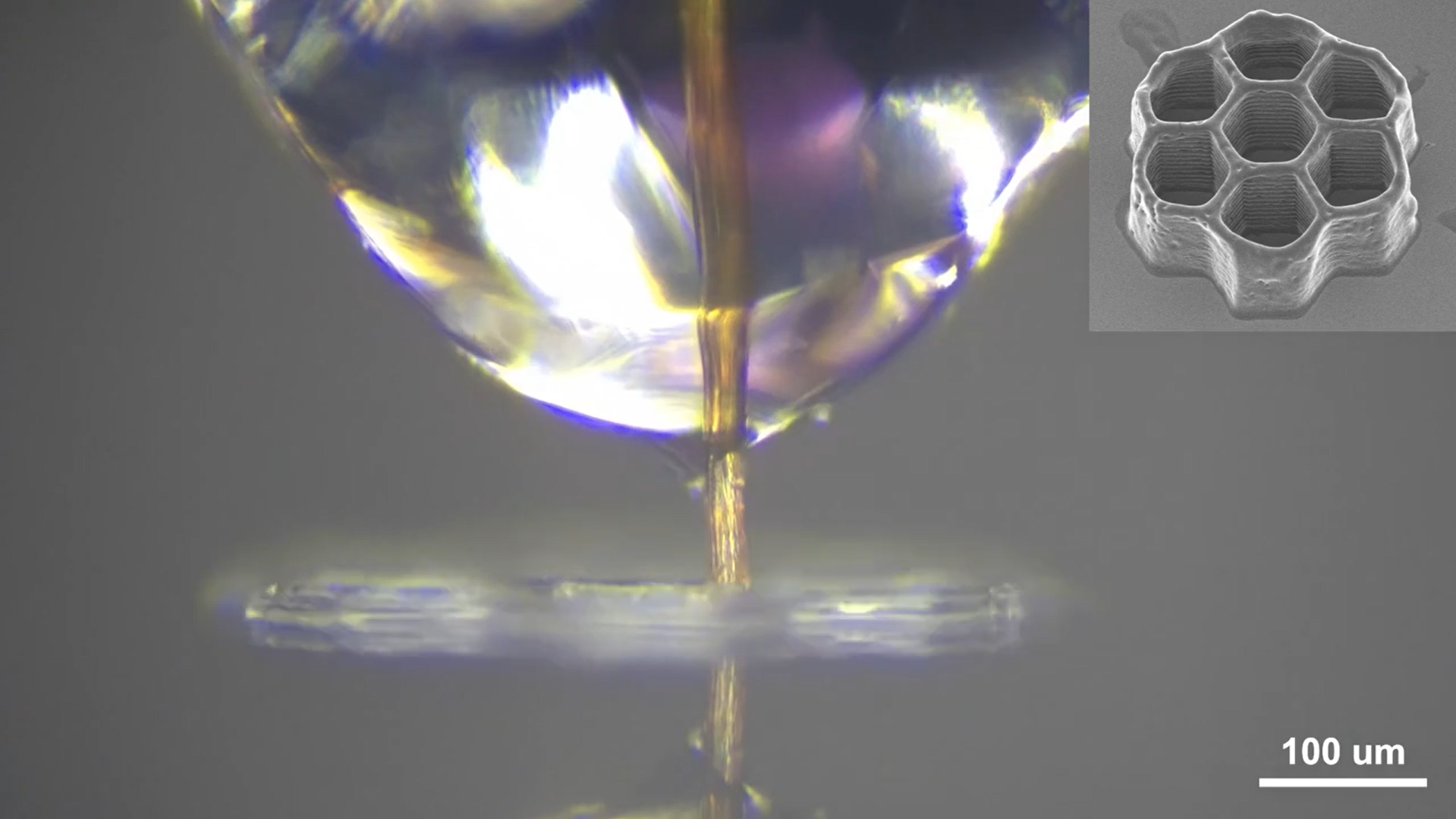
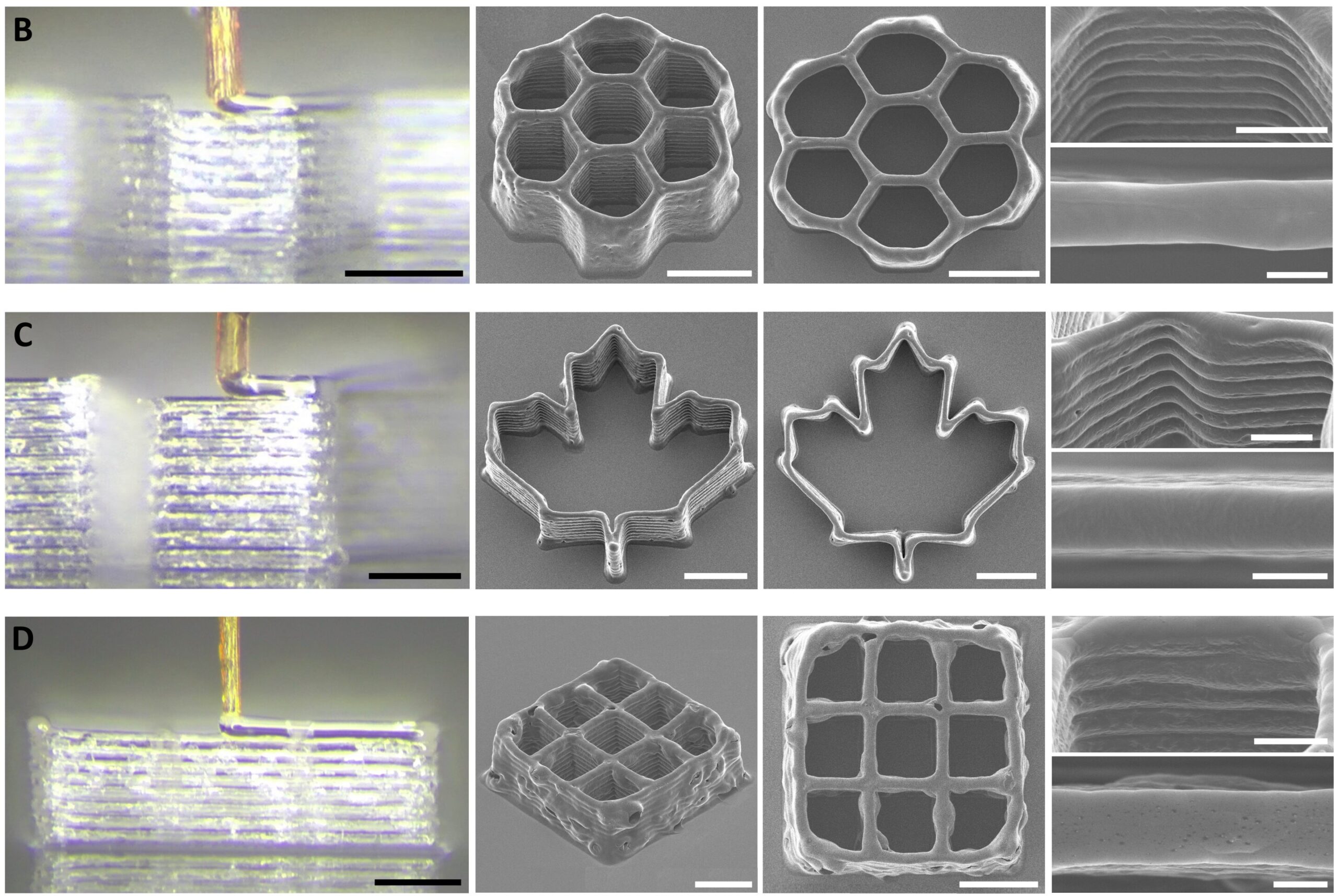
A recent scientific breakthrough by researchers at McGill University in Montréal has introduced an innovative use for dead female mosquito proboscises, as ultra-fine nozzles for high-resolution 3D printing. This novel approach, termed "necroprinting," showcases how natural insect parts can serve as sustainable, cost-effective tools in advanced manufacturing.
Why the Mosquito Proboscis?
The female mosquito’s proboscis is a highly specialized feeding tube evolved over millennia, making it uniquely suited for precise 3D printing applications. Key characteristics include:
- Inner Diameter: Approximately 20 micrometers, which is about 100% finer than the best man-made 3D printer nozzles.
- Material: Biodegradable, unlike current commercial nozzles made of plastic or metal.
- Durability: Remarkably straight and stable, capable of withstanding internal pressures up to 60 kilopascals.
These features make mosquito proboscises ideal for printing extremely fine objects with smooth surface finishes, which are particularly valuable in aerospace, dentistry, and biomedical research.
Current Challenges and Solutions
While these biological nozzles excel in fineness and biodegradability, their mechanical strength is relatively low. To address this limitation, researchers use 3D-printed bioscaffolds to reinforce the mosquito nozzles, enhancing their durability without sacrificing precision.
Alternative Biological Candidates
Before settling on the mosquito proboscis, the researchers evaluated other biological structures such as insect stingers, snake fangs, and plant xylem vessels. However, none matched the complexity and suitability of the mosquito's multipart feeding tube for ultra-fine, thick bio-ink printing.
Potential Impact and Future Research
The McGill team emphasizes that their discovery paves the way for significant advances in microengineering and manufacturing. Not only do these nozzles reduce costs drastically compared to the typical $80 price per commercial tip, but their biodegradability also addresses environmental concerns.
Looking ahead, the scientists plan to continue exploring other natural sources, dead or alive, that might offer even stronger, finer nozzles for 3D printing.
Conclusion
Necroprinting represents a fascinating convergence of biology and technology, harnessing evolved natural structures for cutting-edge applications. This reuse of dead insect body parts not only challenges conventional manufacturing paradigms but also opens new avenues for sustainable and ultra-precise 3D printing.