
Washington State’s House Bill 2321 has sparked significant debate as it proposes adding firearms detection technology to 3D printers. The bill aims to prevent the printing of firearms or illegal firearm parts by requiring 3D printers to incorporate blocking mechanisms.
What HB 2321 Proposes
HB 2321, sponsored by several House members and currently in committee, demands that 3D printers sold or transferred within Washington State include a special firearms detection algorithm. This algorithm would be responsible for verifying design files before they are printed, effectively screening out firearm-related parts.
The bill targets both additive and subtractive manufacturing technologies and focuses on parts legally considered firearms, specifically the receiver and frame. These components can be made using a mix of materials, including plastic and metal, underscoring the potential for 3D printers to manufacture functional "ghost guns." The legislation also calls for a ‘preprint authentication’ handshake protocol and expects the state attorney general to maintain a database of illegal firearm and firearm parts designs for those without a license.
The Challenge of Ghost Guns
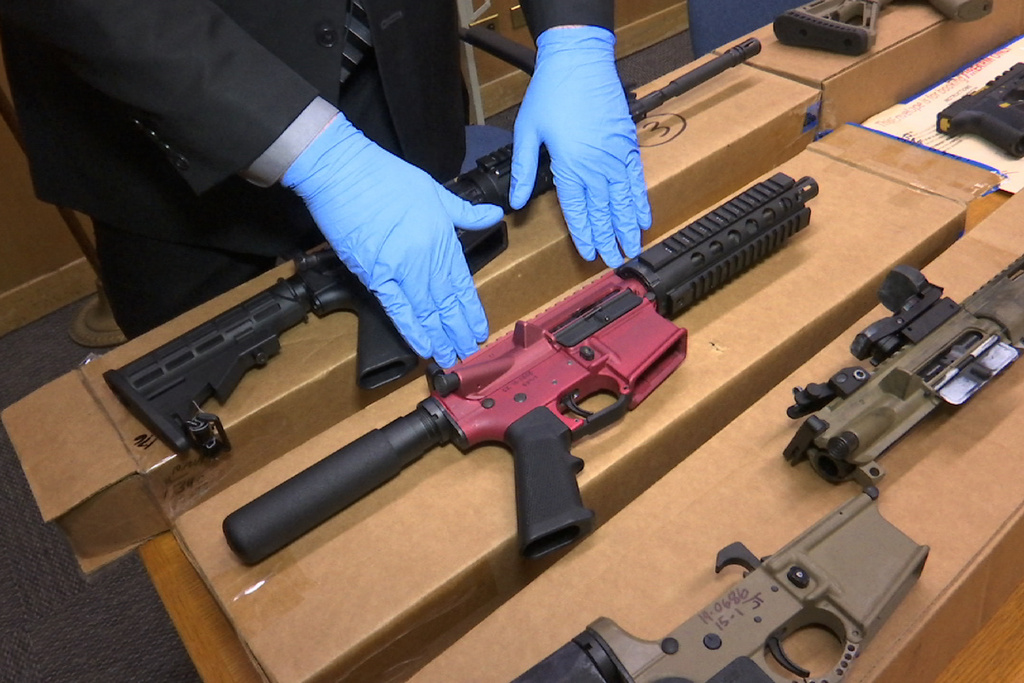
Ghost guns, firearms assembled from kits, spare parts, home-made components, or 3D printed parts, are the crux of this issue. While metal remains necessary for critical parts like barrels, plastic elements may compose substantial portions of a firearm’s frame or receiver.
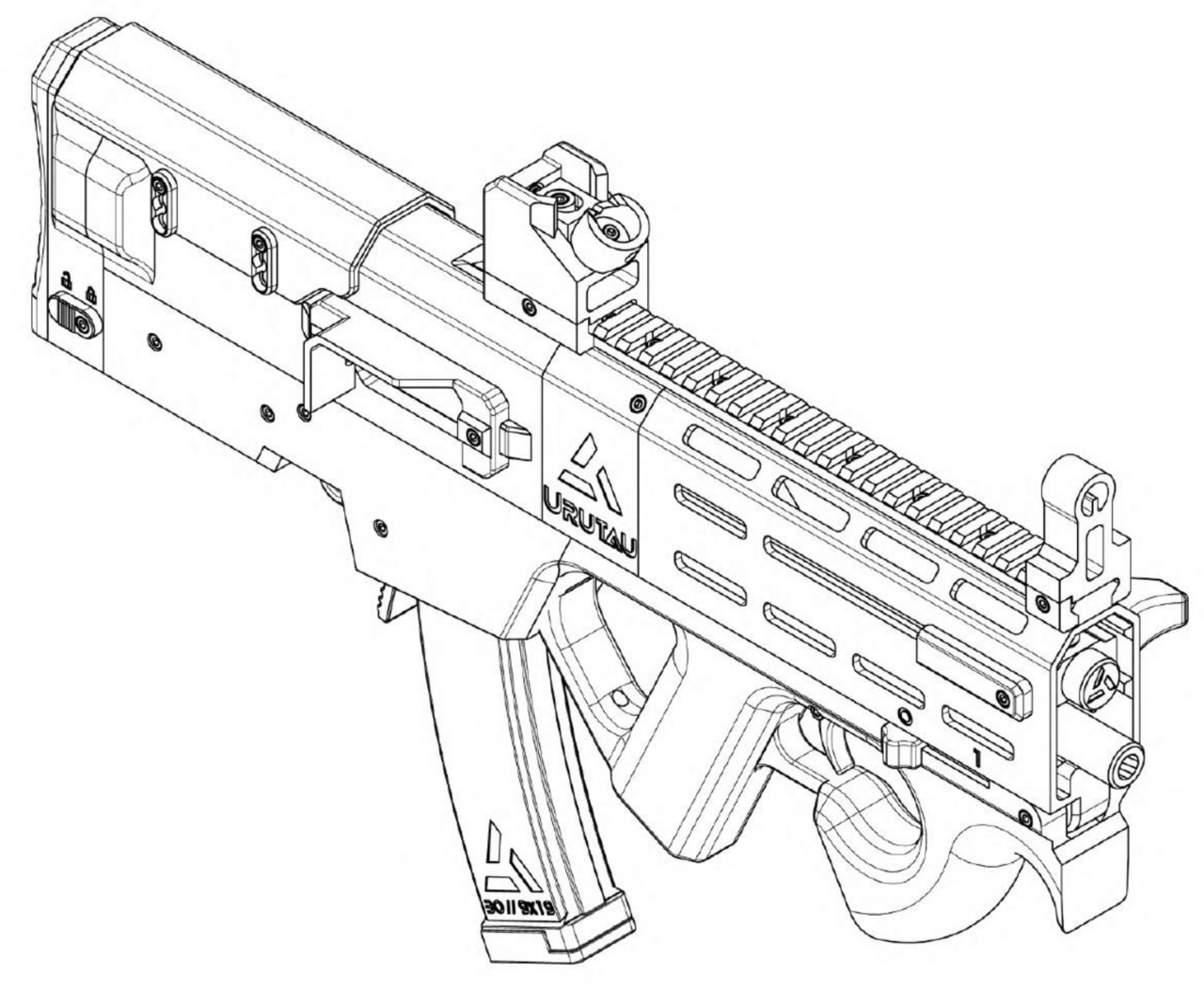
Despite the legislative interest in 3D printed firearms, the main source of ghost guns in practice still tends to be kits and partially manufactured components rather than fully 3D printed weapons. Manufacturing a fully functional 3D printed firearm, such as the 9 mm x1 9 mm cartridge Urutau bullpup, requires many steps, including sourcing multiple store-bought parts and manufacturing steel components, indicating the complexity and difficulty involved.
Feasibility and Privacy Concerns
Implementing a scanning feature that can reliably block firearm-related designs faces significant technical challenges. Circumventing such detection could still be feasible, and the bill’s approach is seen by critics as addressing a symptom rather than the primary source of ghost guns.
Privacy concerns naturally arise with such a monitoring system, especially regarding the mandatory authentication and design file database managed by the attorney general, though these issues are not the central focus of the bill.
Legal and Political Context
While a recent legal case (Bondi v. VanDerStok) acknowledged the legislative relevance of advances in 3D printing of firearms, the practical and political likelihood of HB 2321 advancing is low. It remains under committee review with a remote chance of a floor vote or Senate approval at this stage.
Conclusion
Washington State’s HB 2321 represents an ambitious attempt to curb the rise of homemade firearms through technological controls on 3D printers. However, the bill faces skepticism regarding its practicality, potential for circumvention, and focus on 3D printing when ghost guns largely come from kits and other sources. Whether this approach will gain legislative traction or influence broader gun control strategies remains to be seen.