Elegoo Orange Storm Giga: A Giant Leap in Large-Scale 3D Printing
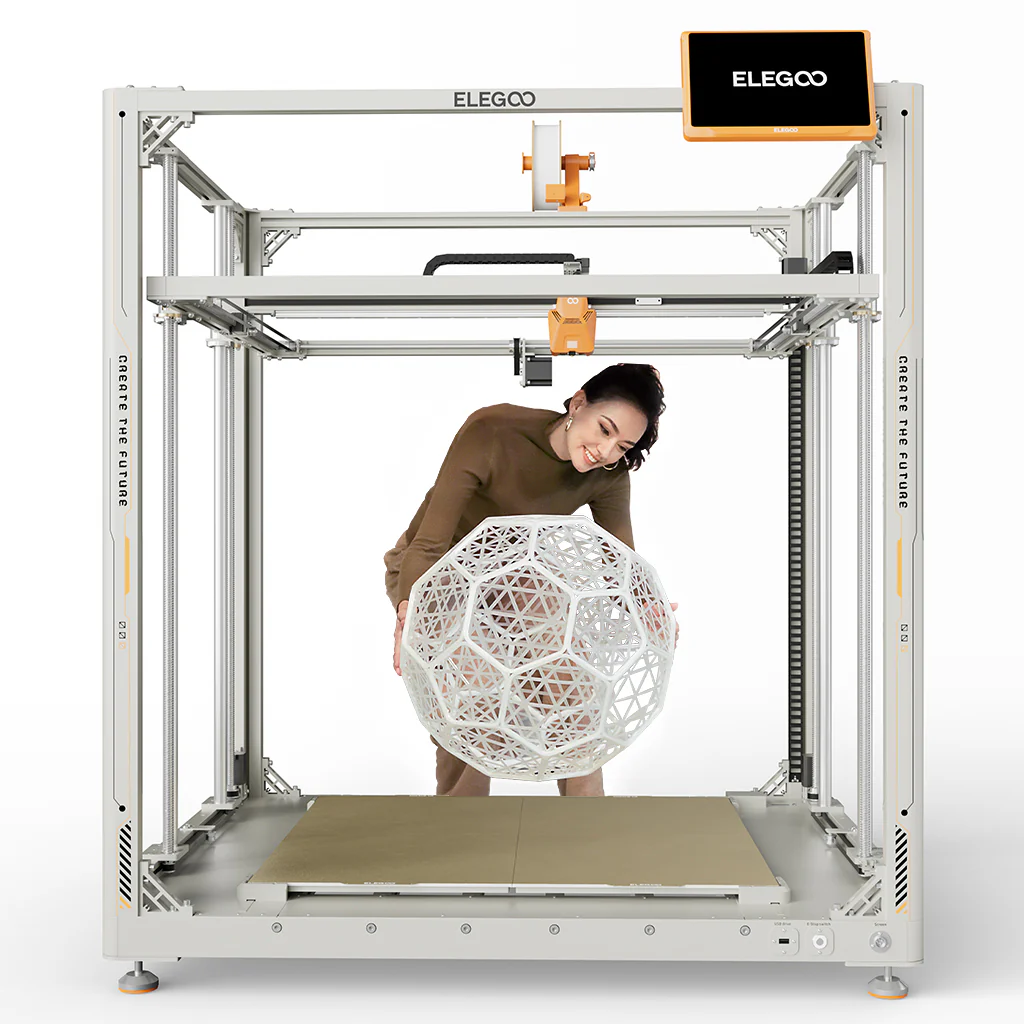
The Elegoo Orange Storm Giga is a standout 3D printer designed for hobbyists and professionals alike who demand massive printing capabilities. This printer is not just large, it is industrial-sized for the home or small workshop and comes with a price point and operational needs that reflect its scale.
Massive Build Volume and Construction
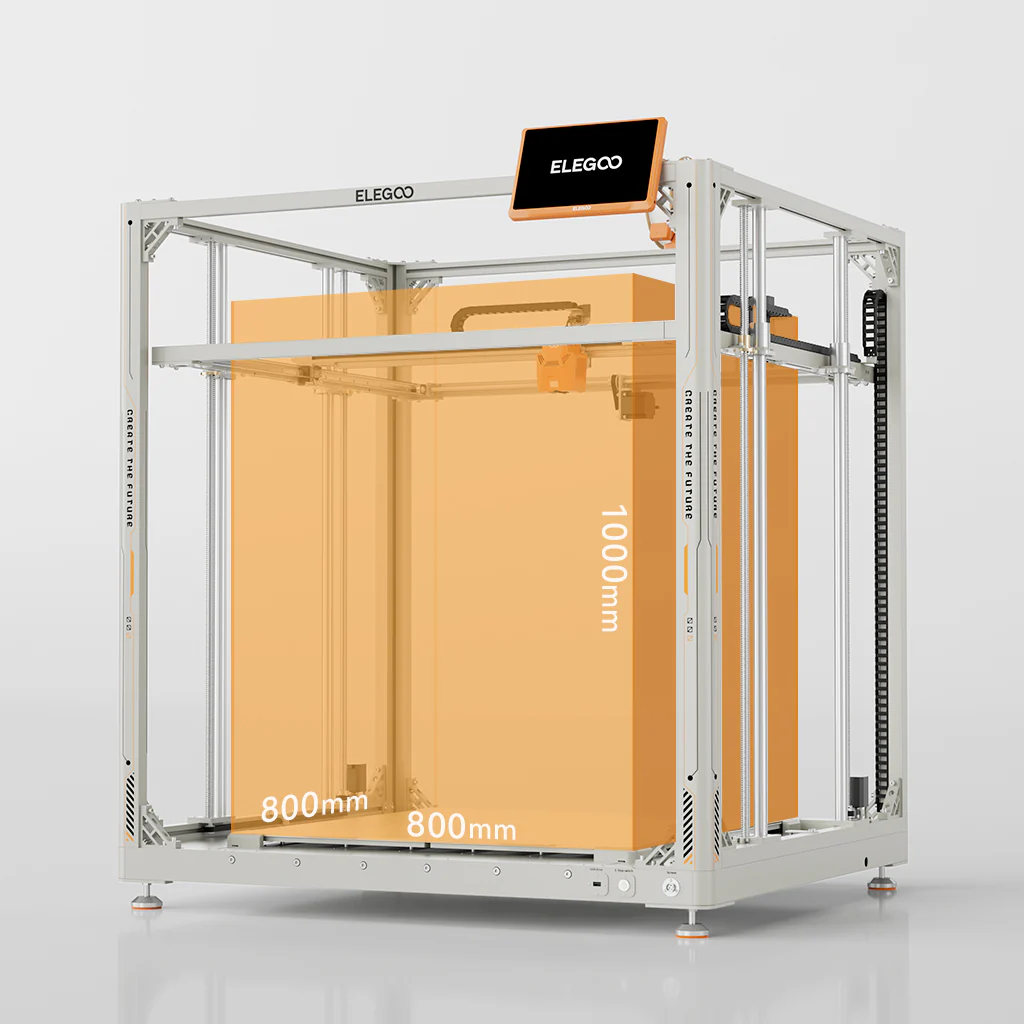
With an impressive build volume of 800 x 800 x 1000 mm, the Orange Storm Giga allows users to create large prints: signs, furniture, or even life-sized models, right from their own space. Built from metal, the machine weighs about 104kg and is delivered in two large boxes. Its size means it doesn't fit through standard doors easily, making it critical to plan its location in advance.
Getting the Elegoo OrangeStorm Giga up and running was a surprisingly smooth process, especially considering the sheer size of the machine. Assembly took roughly one hour with two people, and the process felt well thought out rather than overwhelming. Most of the structural components come pre-assembled, so the setup mainly involves mounting key frame sections, securing the gantry, connecting labeled cables, and performing final checks. Having a second person definitely helps when handling larger frame parts, but nothing about the build felt frustrating or unclear.
Power and Setup Considerations
This 3D printer operates with five power supplies, and its energy demand is significant enough to potentially trip circuit breakers if not properly set up on a dedicated power circuit. During operation, it noticeably heats the room, adding to its operational footprint.
The machine draws at maximum 1800W when heating up all 4 heated beds and the nozzle before starting the print. The machine then draws 340W - 700W during operation to maintain the temperature.
Printing Performance and Challenges
The Giga features a flying gantry design and four separate build plates on four heated beds. It uses the Klipper firmware, with a maximum speed of 300 mm/s and an average of 200 mm/s, facilitated by a standard 0.6mm nozzle for faster print coverage.
During one of our first few prints, we had an unexpected power outage. When the power was restored we could resume the print and the machine simply continued printing where it left off. Taking into account the thermal shrinkage of the material and height of the print when the power failed, the joint was almost invisible.
Cost Implications
Operating the Orange Storm Giga can be costly, especially in filament use. The machine can consume approximately 1kg/day of filament and with larger parts printing for a few days at a time, this can get costly.
The machine draws 340W - 700W during operation to maintain the temperature. This could be a cost consideration given that large prints may take multiple days to complete.
Pros and Cons
Pros
- Ability to produce massive, industrial-sized prints
- High flow hotend supports faster printing (200mm/s on average)
- Intuitive and excellent user interface
- The sheer size and capability will surely impress fellow makers
Cons
- Four build plates complicate leveling
- Manual leveling process can be tedious and time consuming
- Fans and motors produce noise during operation
- Physical size makes it challenging to relocate or fit through standard doorways
Final Thoughts
The Elegoo Orange Storm Giga is a powerful solution for those who need large 3D prints and have the space and budget to support it. While it has some flaws related to leveling and noise, the print quality and volume it offers make it a compelling choice for enthusiasts ready to take on industrial-scale projects at home.
If you need giant prints and can handle the logistical challenges, the Giga is one of the most affordable and capable printers in its class today.