
ESA's Metal 3D Printer Triumphs in Space
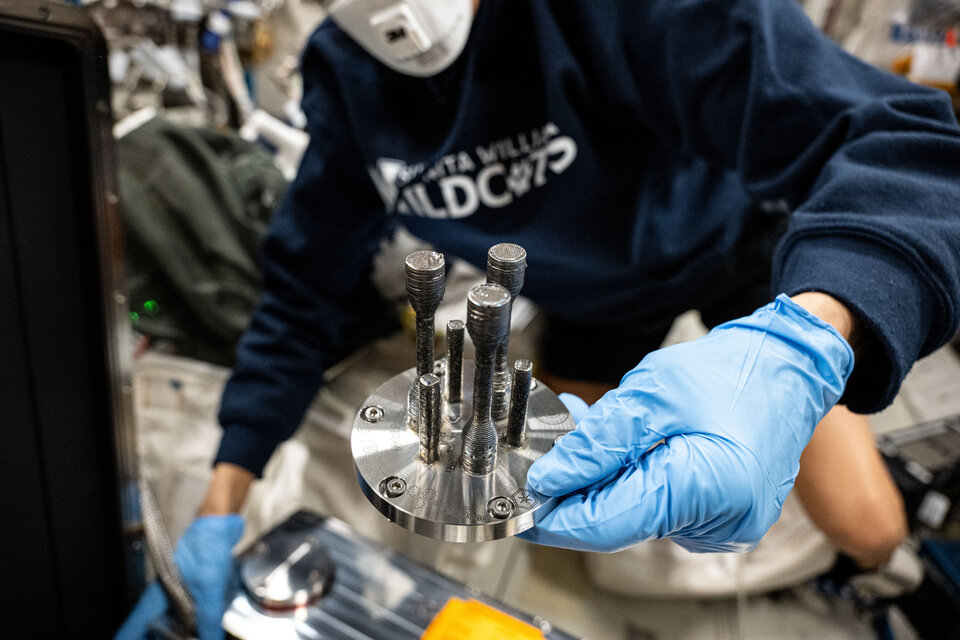
In a landmark achievement for space manufacturing, scientists aboard the International Space Station (ISS) have successfully 3D printed metal components in orbit for the first time ever. This groundbreaking feat by the European Space Agency (ESA) marks a crucial step forward for long-distance and long-duration space missions.
The Technology Behind the Milestone
The core of this success is ESA's Metal 3D Printer, a technology demonstrator built by Airbus and its partners. Notably, key components such as the printer's melting process, laser source, delivery optics, feedstock storage, and feeding system were developed at Cranfield University in the UK, as detailed in the ESA press release.
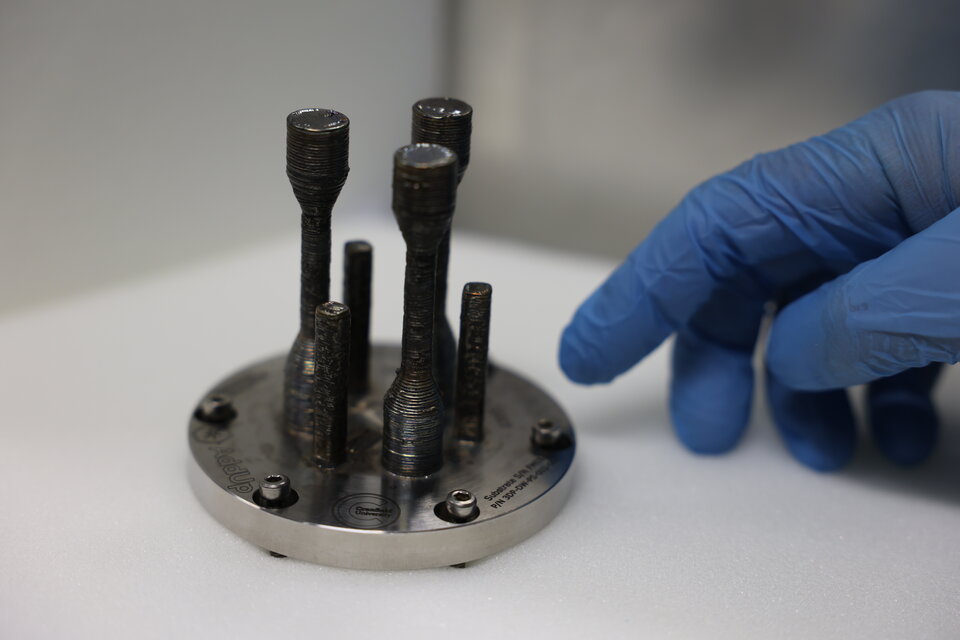
Launched to the ISS at the beginning of the year, the printer was installed by ESA astronaut Andreas Mogensen. The first successful metal printing occurred in August, when the printer melted stainless steel filament at an extreme temperature of 2,192°F (1,200°C) and constructed components layer by layer.
Importance and Challenges of Metal Printing in Microgravity
While plastic filament 3D printing has previously been demonstrated in orbit, metal printing presents unique advantages and challenges. Metal parts provide heat resistance, enhanced mechanical strength, and durability, all critical for space applications. However, microgravity conditions complicate standard 3D printing processes, requiring specialized hardware and precise design to manage melted metal deposition.
Future Testing and Implications
The first four metal parts printed aboard the ISS will soon be returned to Earth for rigorous quality analysis. Two parts will be sent to the Netherlands, one to Germany, and another to Denmark. These institutions will examine the integrity and quality of the in-space manufactured components to better understand their viability for future missions.
Daniel Neuenschwander, Director of Human and Robotic Exploration at ESA, emphasized the significance of the work: "This accomplishment, made possible by an international and multidisciplinary team, paves the way for long-distance and long-duration missions where creating spare parts, construction components, and tools on demand will be essential.”
Conclusion
ESA's development and successful use of a metal 3D printer in orbit represent a major technological breakthrough, indicating that in-orbit manufacturing of durable metal parts is now feasible. This capability will be vital for supporting sustainable human presence in deep space, enabling missions that cannot rely solely on Earth-supplied spares or equipment.
As the study of these first printed components unfolds on Earth, the space community will gain valuable insights into manufacturing technologies that could transform long-term space exploration.