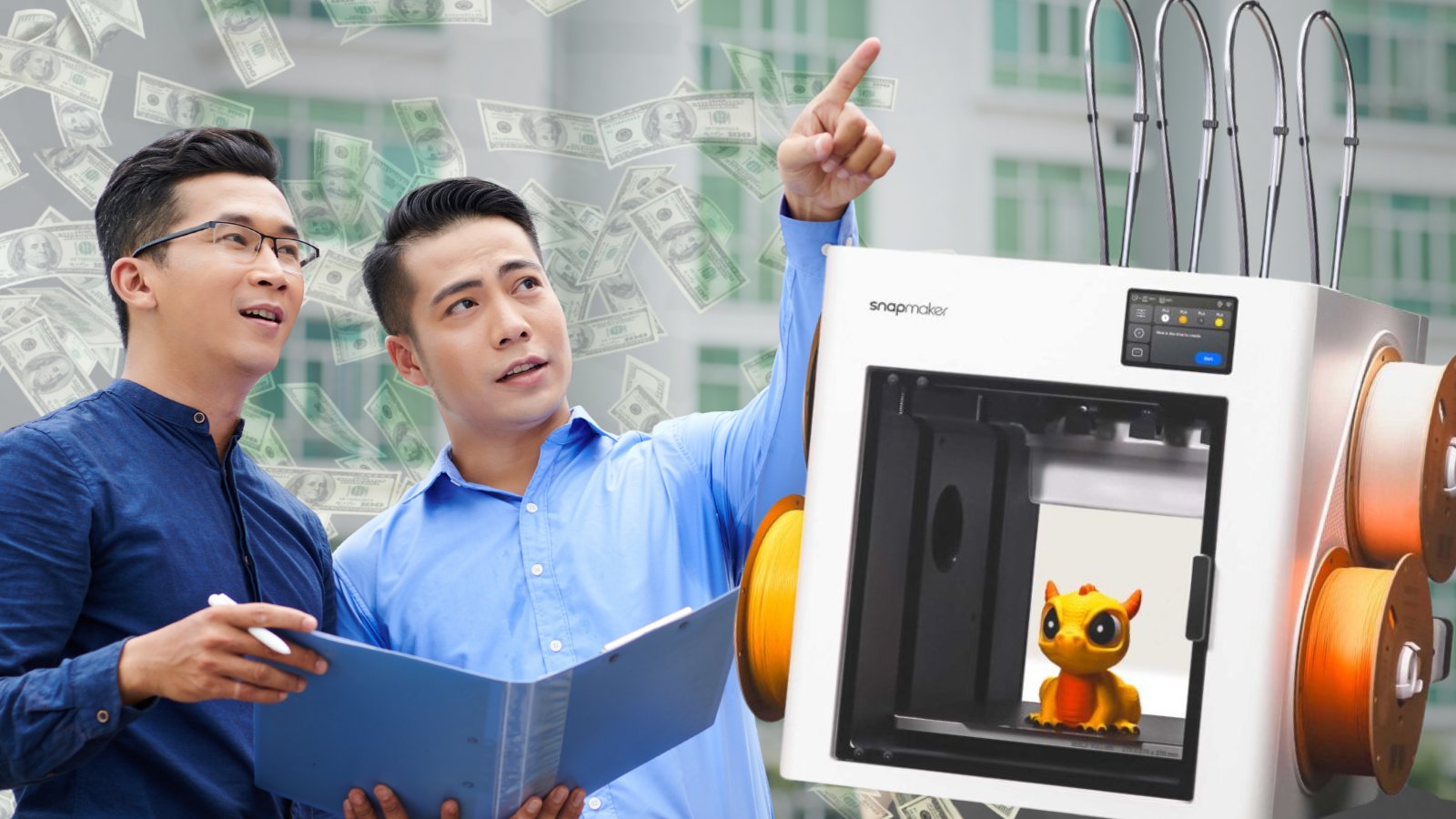
Snapmaker secured tens of millions of US dollars in Series B funding, reported in December 2025, giving the company fresh capital to expand beyond the printers that built its crowdfunding following. Hillhouse Ventures and Meituan co-led the round, with the money earmarked for core technology research, global recruitment and ecosystem development.
The investment followed the Snapmaker U1 tool changer’s Kickstarter campaign, which ultimately raised more than $20 million from over 20,000 backers, according to Tom’s Hardware’s report. That made it the highest-funded 3D printing project in crowdfunding history, Tom’s Hardware says.
The next challenge is different from selling another successful machine: Snapmaker wants to build more of the software, content and services surrounding it.
Meituan and Hillhouse lead the investment
Other participants in the Series B round included Shunwei Capital, Longzhu Capital, identified as associated with Meituan, and Nanshan Innovation Investment. Existing shareholders Cowin Capital and Orient Securities Capital also continued their support.
Shunwei brings a notable connection to consumer technology. The investment firm was co-founded by Lei Jun, Xiaomi’s co-founder, chairman and CEO. That is a link through an investment firm, not an announced direct investment from Xiaomi itself.
The deal came amid other financing activity in consumer 3D printing. Creality submitted a Hong Kong IPO prospectus, while DJI invested in Elegoo. Tom’s Hardware described Tencent’s possible stake in Bambu Lab as a rumor.
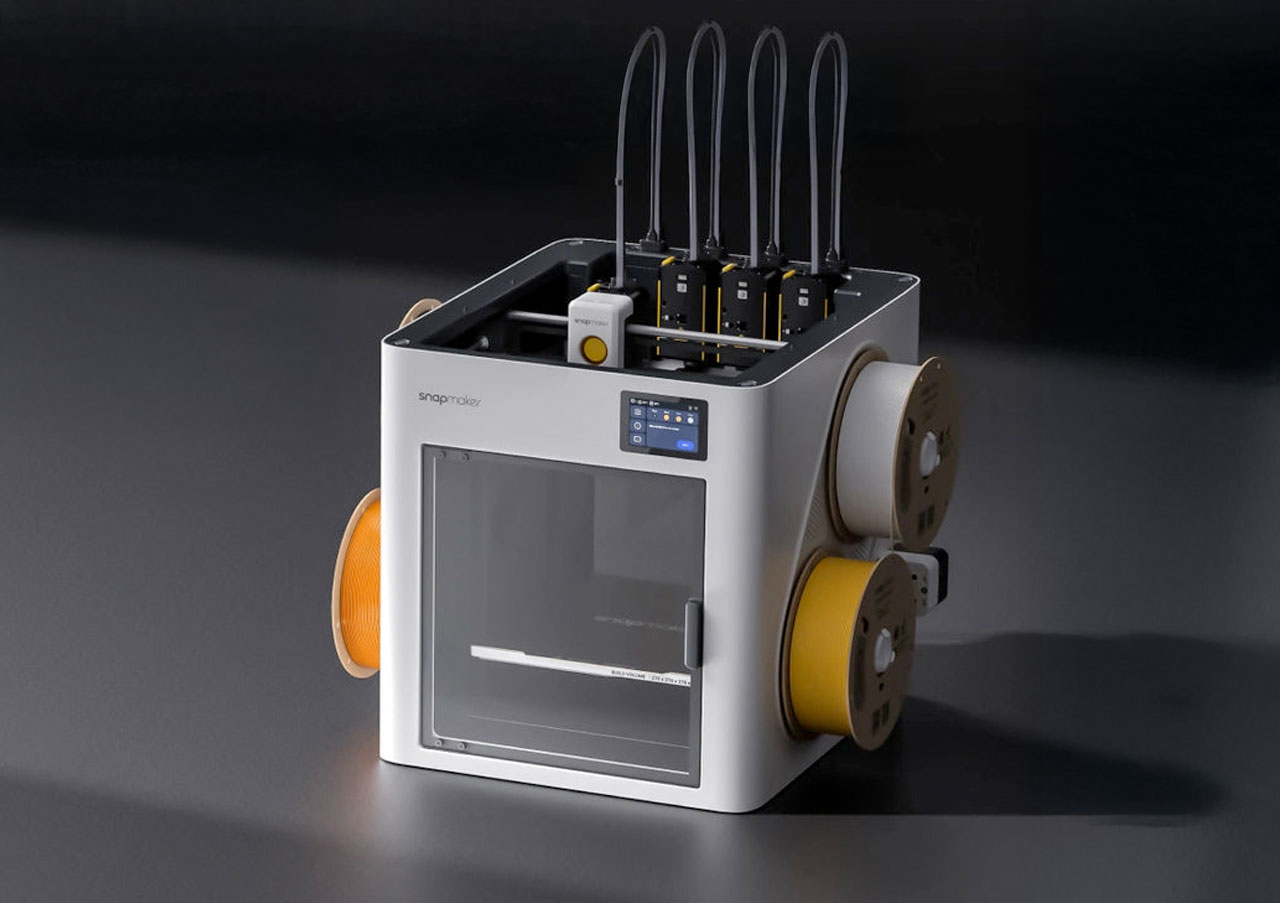
The U1 changes Snapmaker’s product pitch
Snapmaker has been producing 3D printers since 2016. Its earlier crowdfunding milestone, the Snapmaker 2.0, raised more than $7.85 million in 2019 around a multifunction proposition: one machine for 3D printing, laser cutting and CNC milling.
The U1 takes a more focused approach. Instead of combining several fabrication processes, it uses interchangeable print heads to tackle multicolor and multi-material printing while reducing material waste.
An August 2025 report on the U1 campaign described four tool heads, changes taking around five seconds and a manufacturer-specified maximum printing speed of 500 millimeters per second. It also listed automatic calibration, filament management and mobile app control.
Tom’s Hardware describes Kickstarter pricing around $750, while 3Druck’s August campaign coverage lists a starting pledge price of $799 and a recommended retail price of $999.
The reported campaign prices put the U1 below the $3,099 semi-assembled price cited for Prusa Research’s XL. The comparison helps explain the significance of Snapmaker bringing a tool-changing machine into a lower price bracket.
Hardware funding comes with software ambitions
Founder Daniel Chen described the fundraising as a step toward becoming a global provider of a more developed ecosystem, rather than focusing only on individual products.
Daniel Chen said he wanted to “lower the barriers to creation and make 3D printing a universal tool accessible to everyone”.
The stated recruitment priorities span hardware R&D, AI software and a content ecosystem. That widens the scope of the investment beyond mechanical improvements or another printer launch.
Tom’s Hardware interprets the content ambitions as a possible move toward competing with Bambu Lab’s MakerWorld.
At the time, Snapmaker used the open-source OrcaSlicer.