The Bambu Lab A1 has become one of the most talked-about 3D printers in recent months — but not just for its print quality. Reports from users and independent reviewers have flagged a potential safety concern involving components on older A1 units, prompting responses from both the community and Bambu Lab itself. Here’s what’s going on, and what you should know if you own — or are thinking about buying — an A1.
What’s Happened?
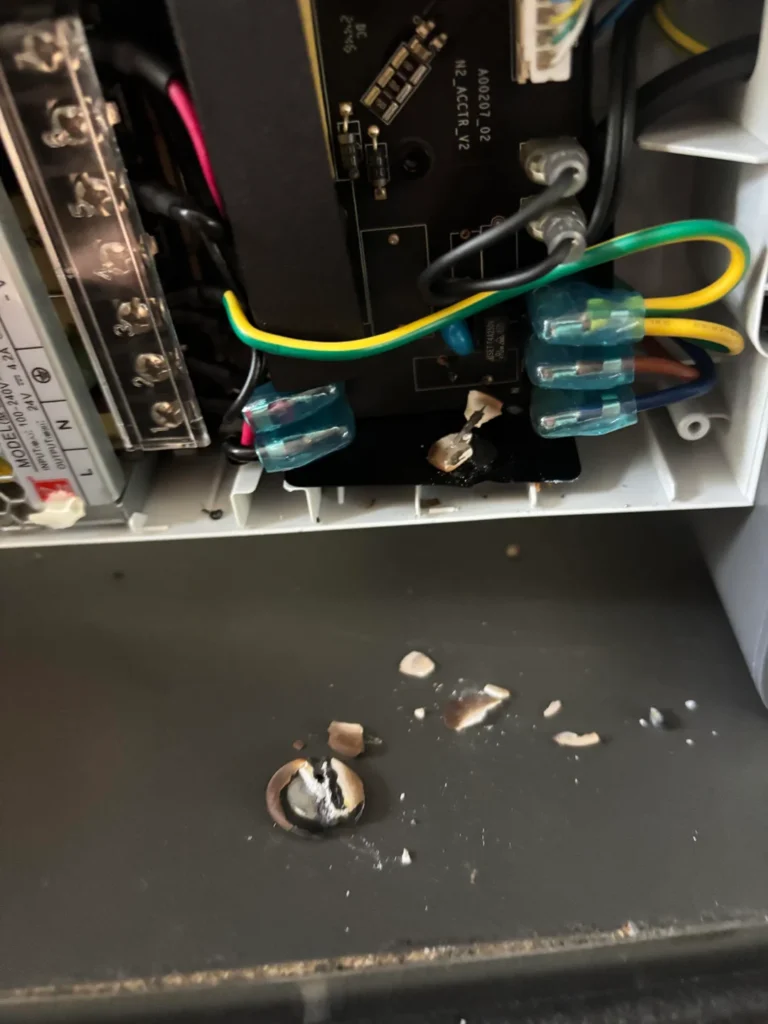
Multiple users have shared photos and anecdotes on social platforms showing A1 printers with charred, melted, or overheated parts on the bottom of the machine. In some cases, plastic around the power distribution board appears to have softened or partially melted — alarming owners who rightly expect a 3D printer to be safe for desktop use.
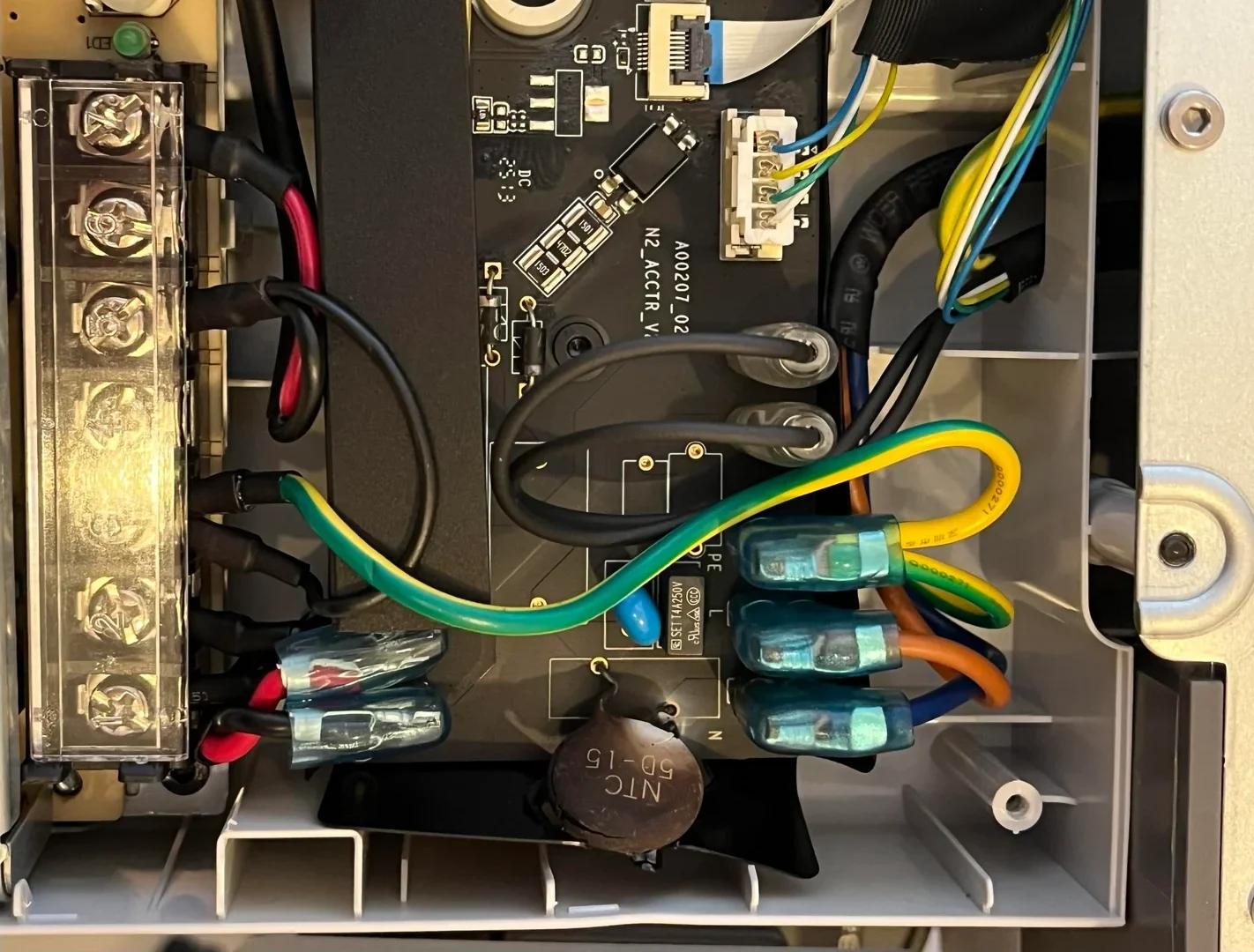
These issues stem from the power distribution board used in early batches of the A1. The board includes an NTC thermistor, a temperature-sensing resistor designed to monitor and limit inrush current, which has reportedly been seen running extremely hot under certain conditions. Independent content creators and repair professionals observed temperatures in the region of 140 °C on this component during heating cycles, which raised concerns about whether the nearby plastics and other hardware could tolerate such heat.
Is There a Fire Hazard?
Despite worrying images circulating online, no verified cases of the A1 causing an actual fire have been confirmed by Bambu Lab or regulators. According to Bambu Lab, the phenomenon — though rare — can occur under unusual circumstances such as severe voltage surges or abnormal power conditions, but doesn’t typically cause sustained combustion or ignition.
That said, some users in community forums have reported the printer’s casing deforming due to high localized heat, which is enough to make anyone uneasy about leaving their printer running unattended.
Design Changes and Remedial Actions
Bambu Lab has acknowledged the issue publicly, stating that:
- The failure rate is very low — estimated at around 0.05% of units shipped.
- The company redesigned the power distribution board, removing the problematic NTC thermistor from newer production units starting in late 2025.
- Customers who reported problems with earlier units were offered repairs or replacements through official support channels.
In essence, newer A1 printers rolling off the production line should not have the same thermal behavior — the design change aims to eliminate the overheating trigger entirely.
Not the First Recall
This isn’t the first time the A1 has faced a safety-related recall. In 2024, Bambu Lab recalled certain A1 units because of a heatbed cable design issue that could short-circuit and create fire or shock risks if bent or stressed. That recall affected thousands of early production units and was handled through the U.S. Consumer Product Safety Commission.
The current power board concern is separate from that earlier recall — it relates more to component heating behavior rather than a design flaw in the heatbed wiring itself.
What A1 Owners Should Do
If you own an older A1 model:
- Check your serial number – units with an “A” as the sixth digit were part of earlier batches and may include the original power board.
- Monitor for unusual heat – inspect the base of your printer during heating cycles and keep an eye out for distortion or excessive warmth.
- Use a surge protector – as recommended by Bambu Lab, surge protection can help prevent unexpected voltage spikes that might aggravate issues.
- Contact Bambu Lab support – if you suspect your printer has a heat-related issue. Owners of affected units may be eligible for a board replacement or repair.
Final Thoughts
The recent buzz around the Bambu Lab A1 shows how passionate the 3D printing community is about safety and reliability. While reports of melted components are concerning, it’s equally important to weigh them against official data suggesting extremely low failure rates and a design fix already in production.
For prospective buyers, this situation highlights the value of staying informed about product revisions and safety communications from manufacturers – especially in tech fields where hardware evolves quickly.
Owning a 3D printer like the A1 can be immensely rewarding, but like all equipment that runs hot and consumes significant power, it’s crucial to use it responsibly and stay current with manufacturer updates.