Bambu Lab is moving into 3D scanning with the S1, a handheld device teased for November 2026. The announcement puts another tool alongside its printers, with the potential to bring physical objects into a digital workflow for making replacement parts and other printable models.
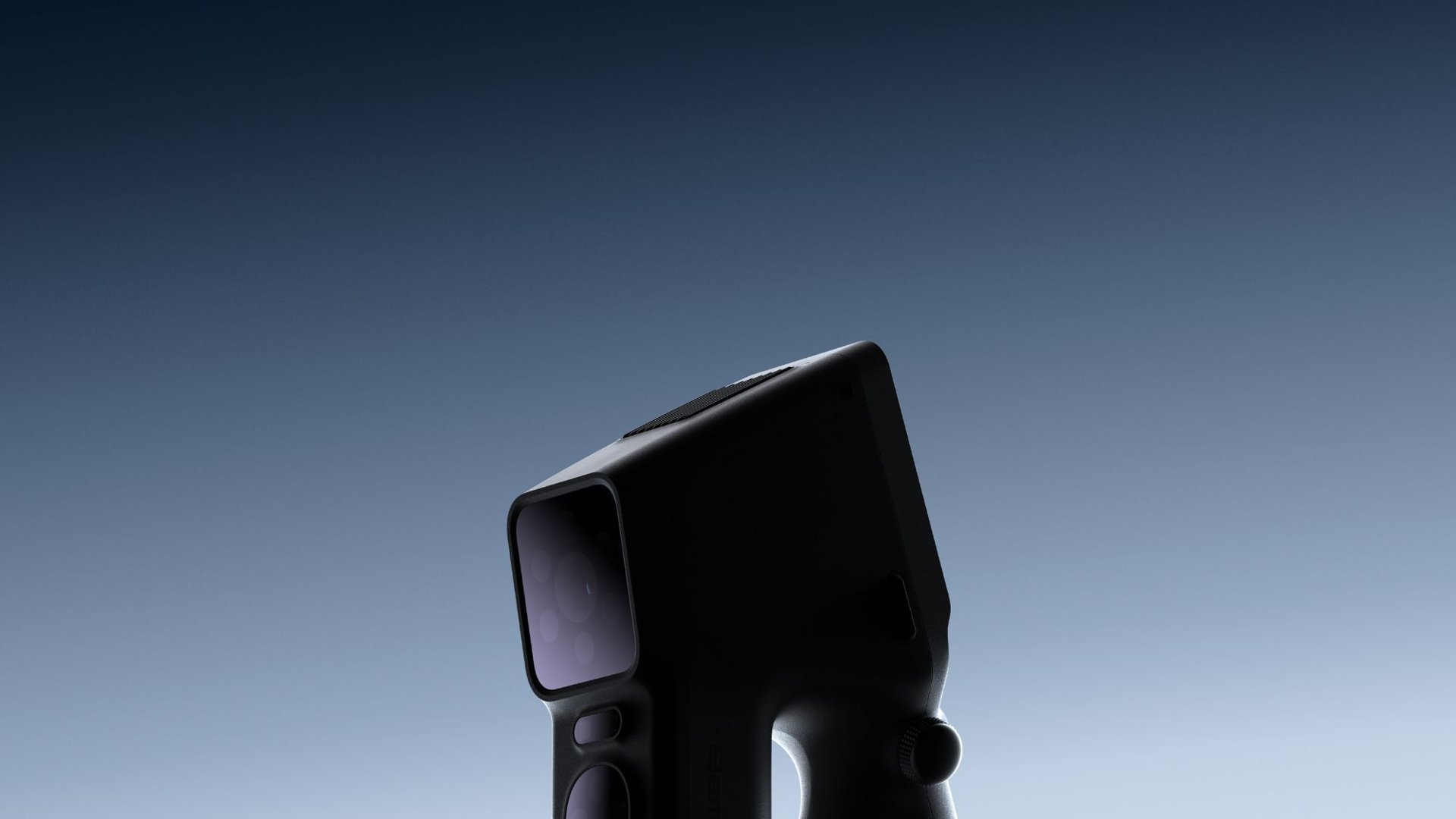
The company revealed the scanner on October 12. Its teaser shows a dark, pistol-grip device carrying the slogan “Easy in Hand. Pro in Every Scan.” For now, that image and regulatory paperwork offer the clearest look at Bambu’s first scanner.
November timing leaves the launch format open
Tom’s Hardware reported that the S1 is planned for release in November 2026. The teaser itself is less specific: it pairs the month with “Coming soon.” As Dreaming3D’s examination of the announcement notes, that wording leaves open whether November will bring a full reveal, the start of orders or the first shipments.
Bambu has not announced pricing, accuracy, point spacing, working distance, light source, color capture capabilities or software details. Those specifications will determine where the S1 sits in a market that already spans several approaches to handheld scanning.
The shape is clearer. The teaser depicts a squared-off scanning head above a pistol grip, with several visible openings behind a front window. External controls are visible too, but their functions have not been disclosed.
A 60 W label offers only a partial hardware picture
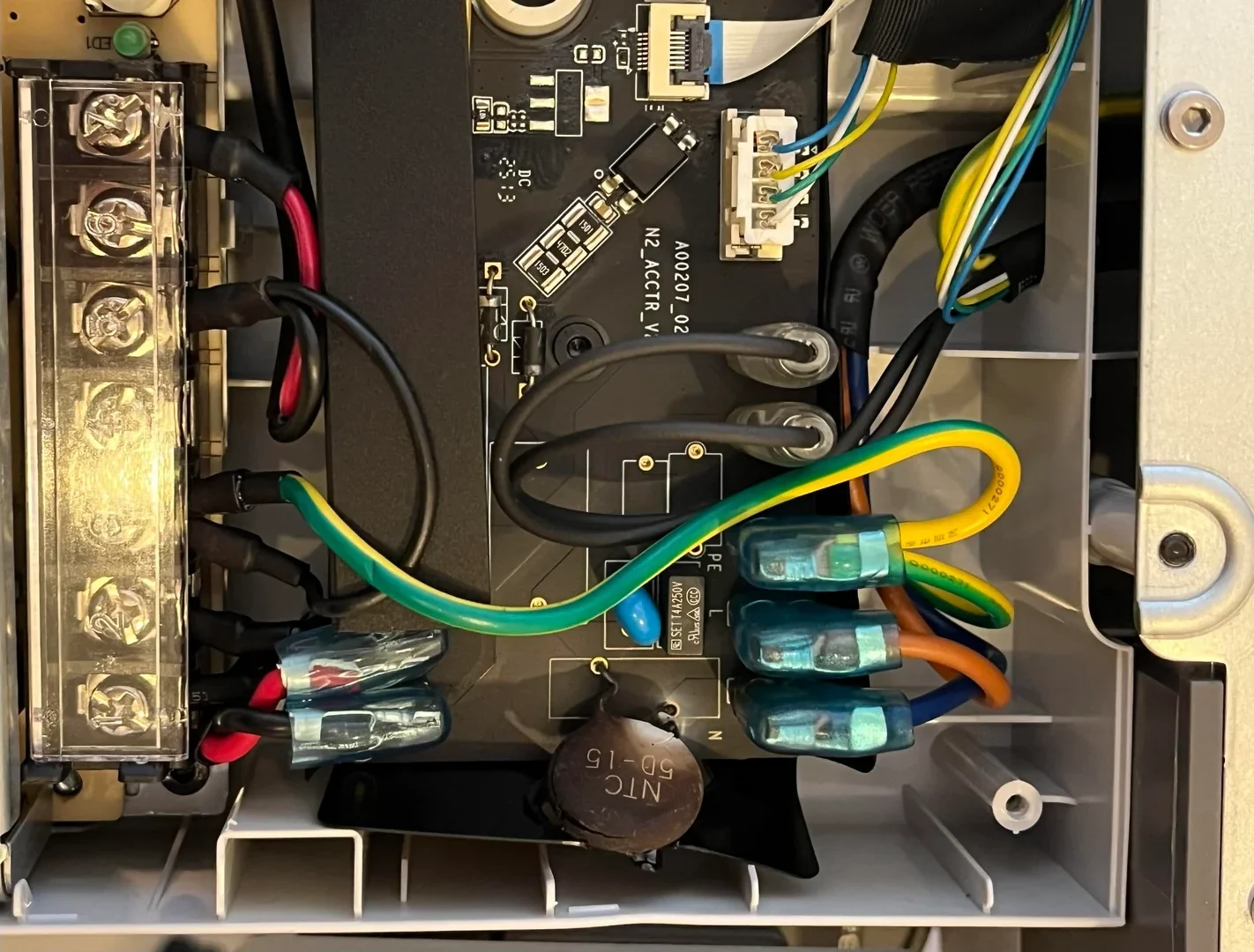
FCC paperwork lists an input of 20 V at 3 A, equivalent to 60 W. Dreaming3D also reports 5 GHz Wi-Fi in the filing.
That combination raises practical questions about how the scanner will operate. Tom’s Hardware suggested that the power rating and lack of a battery indication on the label could point toward a computer-connected device. Wireless connectivity offers another possible route for transferring scan data, although the battery arrangement and PC requirements remain unconfirmed.
For users scanning away from a desk, those details will affect what equipment they need to carry. A scanner that relies on a powerful laptop presents a different working setup from one that can capture data independently.
Tom’s Hardware also identified a flat area in the FCC drawings that might accommodate a screen. That remains an interpretation of the drawings, rather than an announced feature.
The manufacturing partnership adds context, not specifications
Bambu’s relationship with an established scanning manufacturer provides another piece of the picture. Dreaming3D cites a January 2026 framework agreement, reported by Shanghai Securities News through AM Insight Asia, under which SCANTECH would manufacture consumer scanners for Bambu to sell. Tom’s Hardware describes Bambu’s partnership using the SCANOLOGY name.
The 3DeVOK MT Gen2 has attracted attention as a possible technical reference point. It is a wired scanner released in 2026 that uses blue and infrared lasers, with an official price reported at $8,299.
It also has a 60 W input rating, but the electrical specifications differ: the 3DeVOK is rated at 12 V and 5 A, while the S1 label specifies 20 V and 3 A. Neither Bambu’s teaser nor the FCC filing identifies the S1 as a shared-platform product.
Scan processing will shape the S1’s usefulness
Bambu is entering a category already served by Creality’s CR-Scan products, Revopoint’s POP, MINI and MIRACO scanners, and SHINING3D’s Einstar.
For 3D printing users, the attraction is straightforward: capturing an existing object can support reverse engineering of automotive components and other specialized parts. Scanning also serves game asset creation, archaeology, prosthetics and museum archiving.
The work continues after capture. Scan cleanup and resurfacing in CAD can be intensive, technical tasks, with computer requirements adding another consideration. When Bambu details the S1, its processing software and route from captured geometry to a usable model will be as relevant to prospective buyers as the handheld hardware.