Introduction
Josef Prusa, a long-time advocate of open source in 3D printing, has introduced a new approach to protect open source hardware designs in the industry. He recently acknowledged the difficulties of defending open hardware desktop 3D printing, citing instances where open designs were copied and commercially exploited without reciprocation. To combat this, Prusa Research has unveiled the Open Community License (OCL), aiming to strike a balance between community sharing and protecting against commercial abuses.
Background: Challenges in Open Source 3D Printing Hardware
Prusa has openly expressed concerns about the erosion of open source principles in hardware. For example, his company’s 2016 MMU1 multiplexer design, which enables four filaments to feed into a single hotend, was replicated in several competing products like Bambu Lab’s A1, Anycubic’s Kobra, and Creality’s Spark X. These clones effectively used open source designs without contributing back, prompting Prusa’s declaration last July that "open hardware desktop 3D printing is dead."
Traditionally, open source licenses permit full commercial use under the condition that improvements or derivatives are shared with the community, a model that initially fueled the RepRap movement and collaborative advancements in 3D printing. However, the reliance on good faith rather than strict legal enforcement has increasingly been viewed as fragile, leading Prusa Research to withhold certain source files in recent years.
Introducing the Open Community License (OCL)
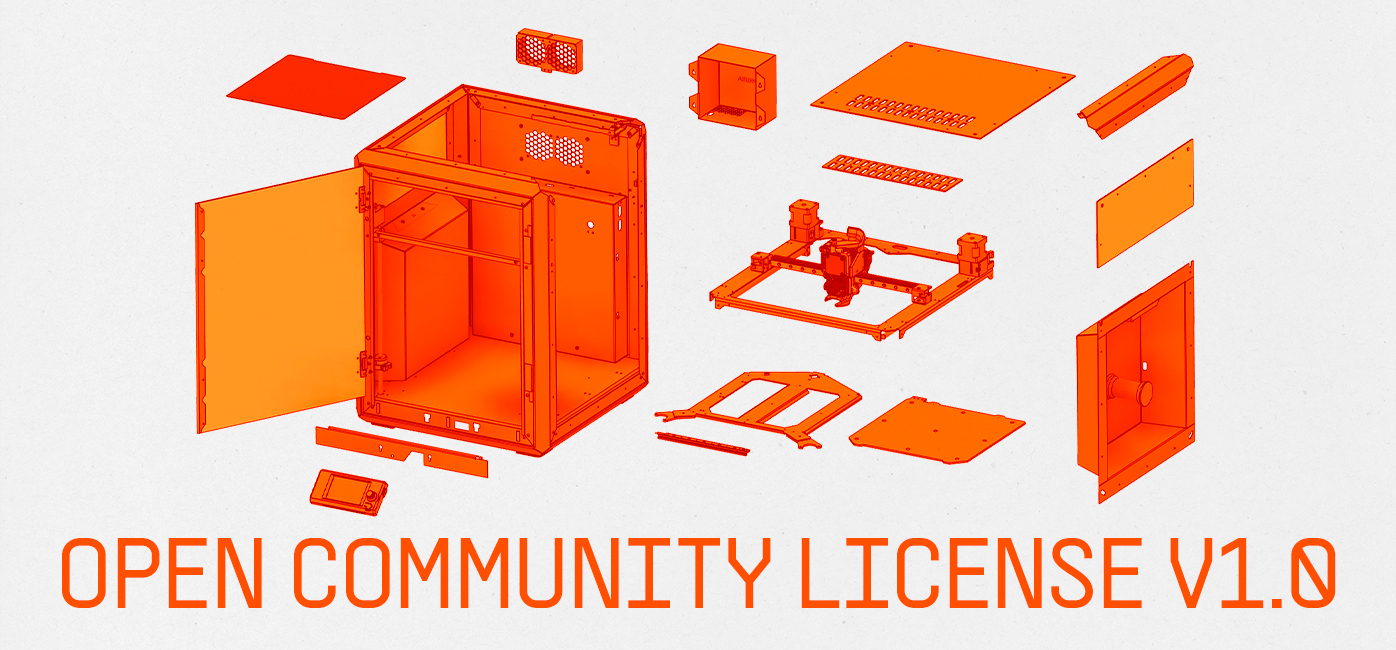
To renew trust and openness, Prusa Research has launched the OCL, which is designed to protect open source projects from exploitation while maintaining community freedoms. The new license is concise, fitting on a single page, and is written in plain language with clear examples illustrating permissible and prohibited uses.
Key Features of OCL
- Freedom for Makers and Hobbyists: Users can freely modify, use, and share derivative designs as long as these remain licensed under OCL.
- Commercial Use with Restrictions: Businesses can use designs internally for purposes like running print farms, modifying machines for production, or manufacturing spare parts.
- Prohibition on Selling Complete Machines: Sale of fully assembled machines or significantly remixed designs requires a separate agreement, preventing outright commercial exploitation without compensation or involvement of the original creator.
Immediate Demonstration: CORE One+ and CORE One L
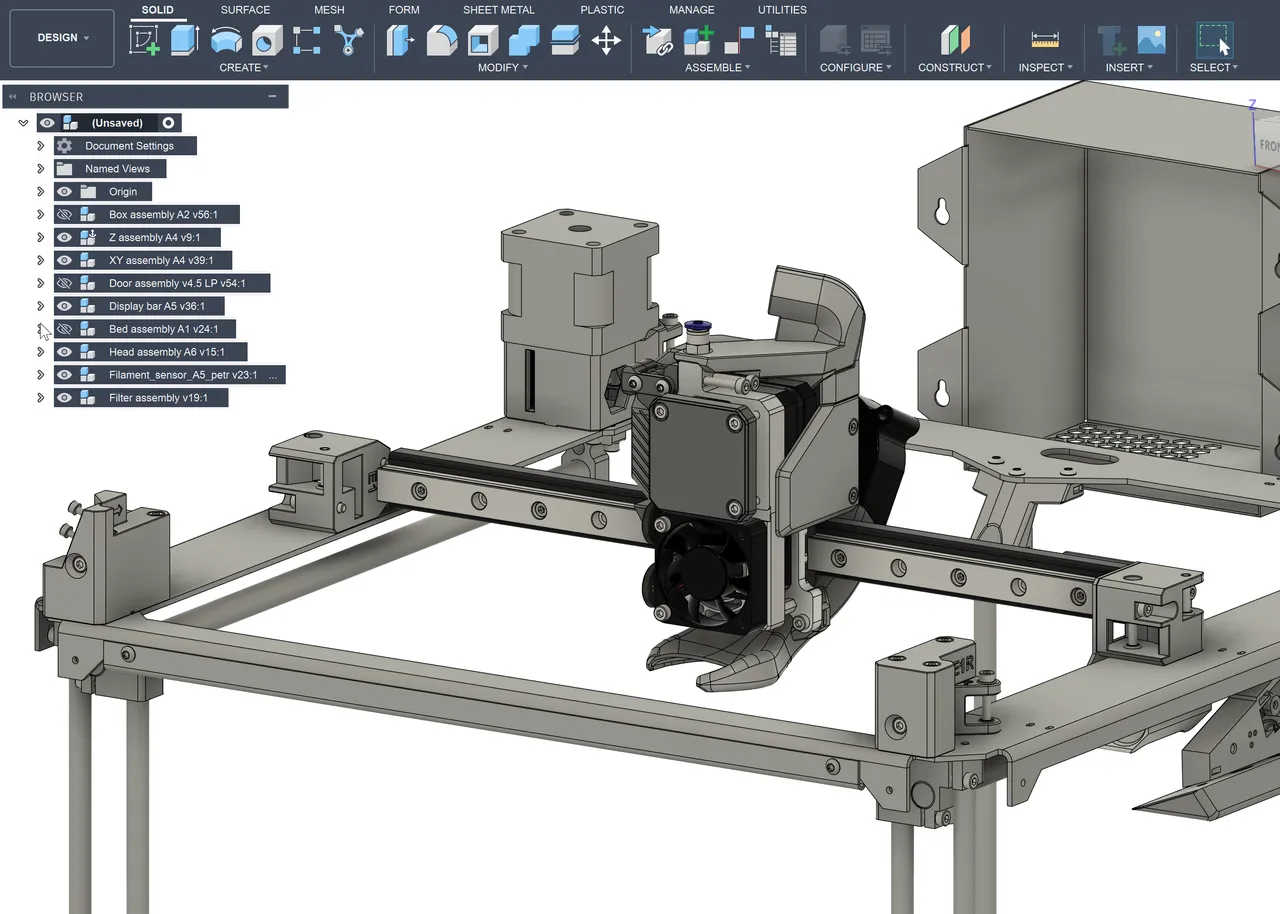
To showcase its effectiveness, Prusa Research has released the full STEP and Fusion CAD files for the CORE One+ and CORE One L 3D printer frames under OCL, now available on their platform Printables. This move exemplifies Prusa's commitment to transparency and openness while seeking to protect the cycle of innovation.
Conclusion
The Open Community License offers a fresh model to safeguard open source 3D printing hardware from industry abuses that have threatened collaborative innovation. By balancing freedom and protection, Prusa Research aims to restore the spirit of community-driven advancement that defined the early days of 3D printing.
While some details and broader community reception of the OCL remain to be seen, this initiative represents a promising step toward sustainable open source hardware development.